Material Durability and Impact Resistance
The primary concern with any airsoft target is how it handles repeated impacts. Because airsoft BBs are small, hard spheres, they can act like tiny projectiles that puncture thin plastics or shred lightweight fabrics. When evaluating targets, look for materials like heavy-duty reinforced polymers or high-density corrugated plastics. If you are looking at silhouette targets, ensure the material is thick enough to prevent 'shredding' after only a few dozen shots. A target that falls apart halfway through a magazine change isn't just a waste of money. It breaks your training rhythm and forces you to stop mid-drill to reset, which defeats the purpose of muscle memory development.
Reactive vs. Static Training
Deciding between reactive and static targets depends entirely on your training goals. Static targets—such as fixed silhouettes or hanging plates—are ideal for precision work and grouping. They allow you to focus on sight alignment and trigger control without the distraction of movement. However, if you are training for speed, movement, and situational awareness, reactive targets are essential. These might include targets that flip, fall, or make noise when struck. Reactive targets provide immediate sensory feedback, telling you instantly if a shot was a hit or a miss. For a well-rounded training kit, we recommend a hybrid approach: use static targets for fundamental drills and reactive targets for high-speed engagement simulations.
Portability and Setup Complexity
Airsoft players often move between indoor CQB arenas, backyard ranges, and outdoor fields. Therefore, the 'footprint' of your target system is a critical decision factor. Consider how the target is mounted. Does it require a heavy tripod, or can it be hung from a simple bungee cord or a tree branch? Look for modular designs that allow you to scale your setup. A target system that can be broken down into a compact bag is far superior to one that requires a dedicated gear crate. Additionally, consider the wind resistance if you plan to use these targets outdoors. Lightweight, thin targets can blow away or tilt in a light breeze, ruining your accuracy data.
Visual Clarity and Silhouette Design
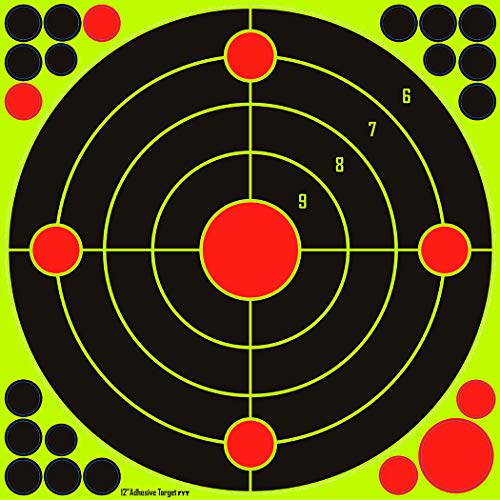
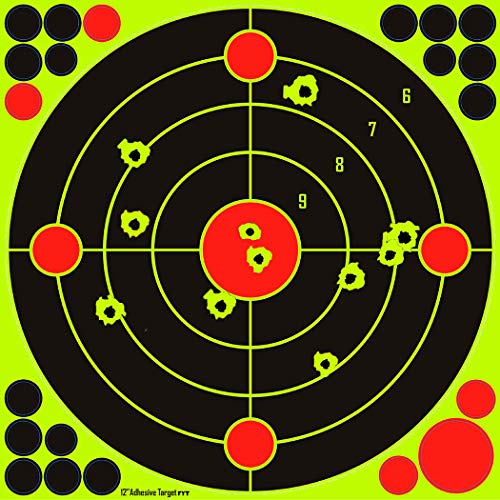
A target is only useful if you can clearly identify the 'hit zone.' In high-stress or low-light training, you need high-contrast designs. Look for targets with clear, bold outlines that stand out against the background. Some advanced targets incorporate color-coded zones—for example, a center mass zone that is a different color than the extremities—to help you practice controlled, disciplined shots. If you are training in a tactical environment, silhouettes that mimic human proportions are better than simple geometric shapes, as they train your brain to recognize and engage human-shaped threats effectively.
Value and Replacement Lifecycle
Finally, treat target purchasing as a consumable expense. No matter how durable a target is, the constant barrage of BBs will eventually degrade it. When calculating value, don't just look at the initial price point. Look at the 'cost per shot.' A slightly more expensive, reinforced target that lasts for 500 shots is significantly more economical than a cheap, flimsy target that requires replacement every 50 shots. Always check if the manufacturer offers replacement components or modular parts so you can fix a damaged target rather than discarding the entire unit.