#TOP1

Exploring Arabic music is a journey through centuries of complex rhythms, microtonal melodies, and profound emotional storytelling. Unlike Western classical or pop structures, Arabic music relies heavily on the concept of the maqam—a system of melodic modes that define the mood and character of a piece. Whether you are looking for the soulful, improvisational depth of a traditional takht ensemble or the high-energy fusion of modern Arabic pop, selecting the right music requires an appreciation for both historical context and technical nuance. This guide will help you navigate the diverse sonic landscapes of the Middle East and North Africa, ensuring your collection captures the true essence of the region's auditory heritage.
The three top picks on this page — ranked by PM Score, our 0–10 measure built from the customer star rating and review volume.


| SELLER | SELLER SCORE | AMAZON FULFILLED | PRIME | FREE SHIPPING |
|---|---|---|---|---|
| Amazon.com Services LLC | 0.00 | No | No | No |

| SELLER | SELLER SCORE | AMAZON FULFILLED | PRIME | FREE SHIPPING |
|---|---|---|---|---|
| Amazon.com Services LLC | 0.00 | No | No | No |


| SELLER | SELLER SCORE | AMAZON FULFILLED | PRIME | FREE SHIPPING |
|---|---|---|---|---|
| Amazon.com | 9.68 | Yes | Yes | Yes |

| SELLER | SELLER SCORE | AMAZON FULFILLED | PRIME | FREE SHIPPING |
|---|---|---|---|---|
| Amazon.com | 9.68 | Yes | Yes | Yes |

| SELLER | SELLER SCORE | AMAZON FULFILLED | PRIME | FREE SHIPPING |
|---|---|---|---|---|
| Amazon.com | 9.68 | Yes | Yes | Yes |

| SELLER | SELLER SCORE | AMAZON FULFILLED | PRIME | FREE SHIPPING |
|---|---|---|---|---|
| Amazon.com Services LLC | 0.00 | No | No | No |

| SELLER | SELLER SCORE | AMAZON FULFILLED | PRIME | FREE SHIPPING |
|---|---|---|---|---|
| Amazon.com Services LLC | 0.00 | No | No | No |

| SELLER | SELLER SCORE | AMAZON FULFILLED | PRIME | FREE SHIPPING |
|---|---|---|---|---|
| Amazon.com Services LLC | 0.00 | No | No | No |

| SELLER | SELLER SCORE | AMAZON FULFILLED | PRIME | FREE SHIPPING |
|---|---|---|---|---|
| Amazon.com Services LLC | 0.00 | No | No | No |

| SELLER | SELLER SCORE | AMAZON FULFILLED | PRIME | FREE SHIPPING |
|---|---|---|---|---|
| Amazon.com Services LLC | 0.00 | No | No | No |


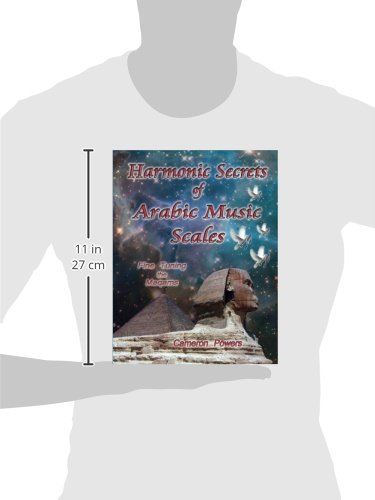
Harmonic Secrets of Arabic Music Scales: Fine Tuning the Maqams: Fine Tuning the Maqams
| SELLER | SELLER SCORE | AMAZON FULFILLED | PRIME | FREE SHIPPING |
|---|---|---|---|---|
| Amazon.com | 9.68 | Yes | Yes | Yes |
Harmonic Secrets of Arabic Music Scales stands as an essential technical resource for ethnomusicologists and serious instrumentalists looking to master the intricacies of microtonal theory. This guide dives deep into the complex world of maqams, offering a focused look at the precision required for fine-tuning traditional melodic structures. Since this is a used copy, it arrives in good condition, making it an accessible way to acquire specialized knowledge that is often difficult to find in mainstream music theory texts. Whether you are a composer trying to integrate Middle Eastern textures or a performer aiming for authentic pitch accuracy, the depth provided by G. L. Design helps bridge the gap between Western temperament and traditional Arabic scales.

The heartbeat of Arabic music lies in its melodic modes, known as maqams. When selecting music, consider what emotional resonance you are seeking. Some maqams are designed to evoke joy and celebration, perfect for festive settings, while others are deeply melancholic, intended for introspection or longing. If you are a purist, look for recordings that showcase the intricate microtonal shifts—notes that fall between the standard keys of a piano. High-quality recordings are essential here, as the subtle nuances of a singer's vibrato or a flute's breathiness can be lost in poor-quality audio files or compressed formats.
To truly appreciate the genre, you should look for collections that feature the core instruments of the Arabic tradition. A well-rounded selection should include:
If you prefer contemporary sounds, look for 'Arabic Fusion' or 'Electro-Tarab,' which blend these traditional instruments with modern synthesizers and global beats.
Arabic music is not a monolith. It varies significantly by geography and era. When building your library, decide which 'flavor' appeals to you most:
When making your final selection, let your intended use guide you. For deep listening and studying the art form, prioritize live concert recordings or archival collections that capture the raw improvisation of masters. For social environments, look for curated playlists or albums that emphasize rhythmic consistency and upbeat tempos. Always check the credits for the musicians involved. In Arabic music, the reputation of the instrumentalist is often as important as the vocalist.
Quick answers about Arabic Music before you buy.
Share of top-ranked products by brand, from our rankings.
We compared Arabic Music products using product details and customer ratings to identify the best options in the categories..
From that comparison we shortlisted the top 11 Arabic Music for this page..
We aim to help you find the right music products for your needs and save you time when choosing which Arabic Music to buy.
Compare the top 11 picks at a glance — select a column to sort.


