Understanding Diffusion Technologies
The most critical decision you will make is choosing the method by which the oil is released. Most consumer-grade diffusers fall into three primary categories: ultrasonic, nebulizing, and evaporative.
Ultrasonic Diffusers: These are the gold standard for home use. They use electronic frequencies to create vibrations in a water reservoir, turning the water and oil into a fine, cool mist. They act as dual-purpose devices, providing both aromatherapy and a subtle increase in ambient humidity. They are generally quiet and budget-friendly, making them ideal for bedrooms.
Nebulizing Diffusers: If you want the most potent scent possible, nebulizers are the professional choice. These do not use water. Instead, they use pressurized air to break essential oils into an ultra-fine mist. Because there is no dilution from water, the scent is incredibly intense and pure. However, they are louder, more expensive, and can deplete your oils much faster.
Evaporative Diffusers: These use a fan to blow air through a filter or pad saturated with oil. While they are very quiet and portable, they are generally less effective at dispersing scent over large areas compared to ultrasonic or nebulizing models.
Key Decision Factors: Capacity and Coverage
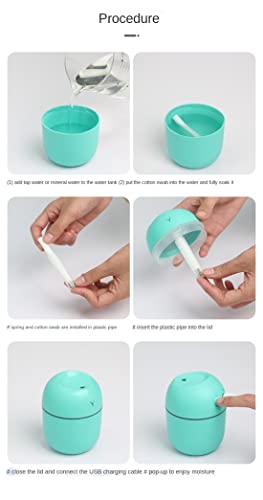
A common mistake is purchasing a diffuser that is too small for the intended space. A compact, USB-powered diffuser might look charming on a nightstand, but it will struggle to scent a large living room. When shopping, look for the 'effective coverage area' in the specifications.
Capacity is closely linked to coverage. Larger water reservoirs (typically 300ml to 500ml) allow for longer run times—often up to 10 or 12 hours—without the need for constant refilling. If you intend to use the device throughout the night for sleep support, prioritize a high-capacity ultrasonic model with an automatic shut-off feature to ensure safety once the water is depleted.
Aesthetics and Functional Features
Since diffusers are often placed in prominent areas like coffee tables or desks, design matters. Many modern units feature integrated LED lighting, which can serve as a nightlight or mood lamp. Look for options that allow you to cycle through colors or set a static hue to match your decor.
Beyond looks, pay attention to control interfaces. Some models offer touch-sensitive buttons, while others use remote controls or even smartphone applications. If you are someone who values a seamless environment, a model with a timer function (e.g., 1-hour, 3-hour, or intermittent modes) is essential. Intermittent diffusion is particularly beneficial as it prevents 'olfactory fatigue,' where your nose becomes desensitized to the scent, allowing you to enjoy the therapeutic benefits more consistently throughout the day.
Safety and Maintenance Considerations
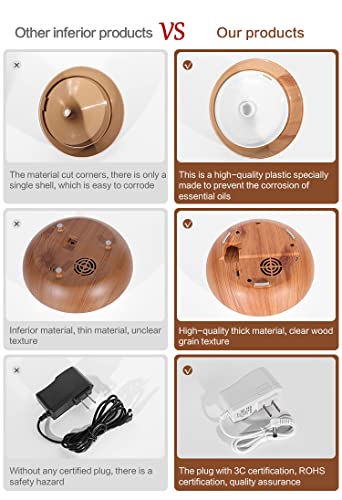
Finally, consider the ease of cleaning. Essential oils are viscous and can leave residue that promotes mold growth if not managed. Models with wide openings are significantly easier to wipe down and sanitize than those with narrow, deep chambers. Always ensure your chosen device includes an automatic safety shut-off to prevent overheating, especially if you plan to leave it running while you sleep or work.