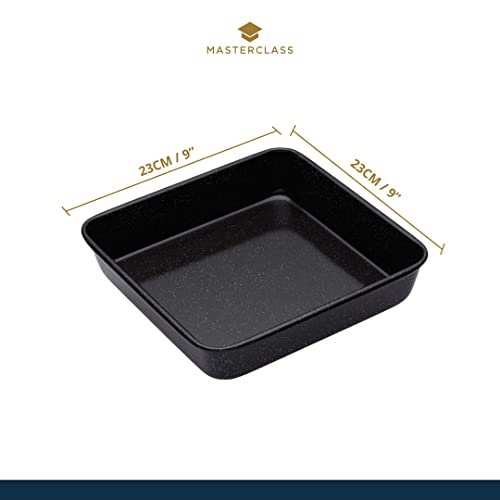
Material Composition and Heat Conductivity
The primary differentiator in high-end baking sheets is the material. While many budget options use thin, recycled aluminum, master class sheets prioritize heavy-gauge, high-quality aluminum or carbon steel. Aluminum is the gold standard for heat conductivity. It responds rapidly to temperature changes, ensuring that heat penetrates the dough evenly. However, look for 'heavy-gauge' aluminum to prevent the pan from warping under high heat. If you are specializing in high-heat roasting or heavy bread baking, carbon steel offers superior heat retention, though it requires more careful seasoning to prevent rust and sticking.
Gauge and Structural Integrity
In the world of professional bakeware, 'gauge' refers to the thickness of the metal. A lower gauge number indicates a thicker, more robust sheet. When selecting master class sheets, avoid anything that feels flimsy or light. A thick, heavy-duty sheet provides a thermal mass that stabilizes oven temperatures, preventing the 'hot spots' that cause some cookies to burn while others remain doughy. A master class sheet should feel substantial in the hand and should remain perfectly flat even after repeated cycles in a high-temperature convection oven.
Surface Treatment and Non-Stick Properties
There are two philosophies regarding sheet surfaces: natural aluminum and non-stick coatings. Natural aluminum is preferred by many professionals because it is highly reactive to heat and can be easily cleaned with abrasive pads if necessary. However, for delicate items like macarons or flaky pastries, a high-quality, professional-grade non-stick coating or a silicone-infused surface can be a game-changer. If you choose a coated sheet, ensure it is PFOA-free and designed to withstand high temperatures without degrading, as cheap coatings can flake off and contaminate your food.
Rim Height and Airflow Dynamics
The design of the rim (the edge of the sheet) significantly impacts how air circulates around your food. Low-profile 'half-sheet' pans are ideal for cookies and thin pastries where maximum airflow is required to achieve crisp edges. Conversely, if you are baking items that require moisture retention or have a tendency to overflow, such as certain types of roasted vegetables or thick batters, a sheet with a slightly higher rim is necessary. For the master baker, a combination of both styles is essential to handle the diverse requirements of a complex menu.
Maintenance and Longevity
A true master class tool is an investment intended to last a lifetime. When evaluating a sheet, consider its resistance to warping and corrosion. Stainless steel sheets are incredibly durable and easy to sanitize, but they lack the rapid heat response of aluminum. If you opt for aluminum, ensure it is not a thin alloy that will pit or discolor excessively. The best sheets are those that can handle the rigors of daily professional use, including frequent scrubbing and high-heat sterilization, without losing their shape or functional surface properties.