

Verdancy Toe Socks With Grips For Women Non Slip Cushioned Knee High Over The Calf Socks For Yoga Pilates Barre Ballet (Blue)
VERDANCY
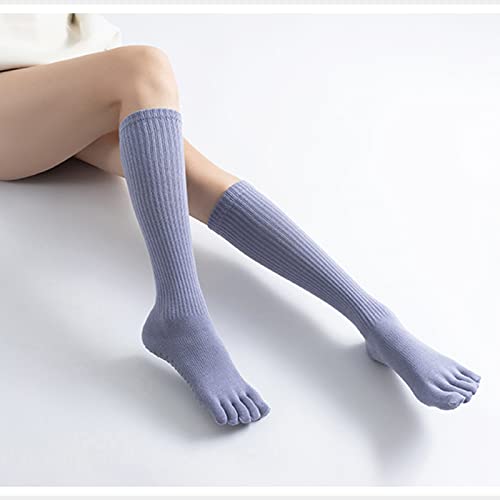
- 【Cozy Material】: Made of high quality cotton and spandex, the grip socks are soft and comfortable, moderate thickness, breathable and not stuffy, durable and stretchy, suitable for spring, summer, fall and winter. One size fits most female whose shoe sizes are 5-9.
- 【Fancy Colored】: The stylish over the calf socks is made in the trendy and classic colors of gray, beige, purple, khaki, black. Featured with chic warm colored style, the knee high socks make your outfit ingenious and unique. It’s lightweight, super soft and provides optimal warmth and extraordinary comfort.
- 【Occasions】: The chic cushioned grip socks are ideal for wearing on smooth and slippery surfaces like hardwood floors or tile, offering great comfort without sacrificing performance. In addition to being great for improving your yoga performance, our grip socks are also suitable for Pilates, ballet, ballet, fitness, dance and all other barefoot activities.
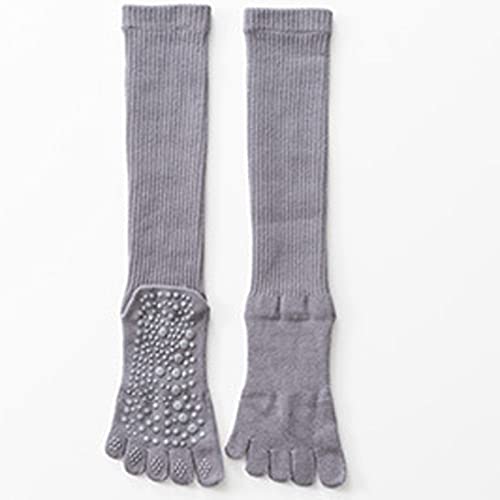
- 【Anti-Slide Grips】:The non-slip sticky grip patterns cover the entire heel and toe for maximum grip and traction. It improves stability and safety for all barefoot sports such as yoga, dance, Pilates and barre without worrying about slipping or sliding. This crew sock offers the perfect balance of support, cushioning and mobility.
- 【Ideal Gift】: These yoga socks are both stylish and functional. It is a good choice for personal use or as a gift for your family and friends on birthday, thanksgiving day, Christmas, New Year.
| SELLER | SELLER SCORE | AMAZON FULFILLED | PRIME | FREE SHIPPING |
|---|---|---|---|---|
| lv2022yi | 6.75 | Yes | Yes | Yes |