Understanding the Different Types of Ballet Shoes
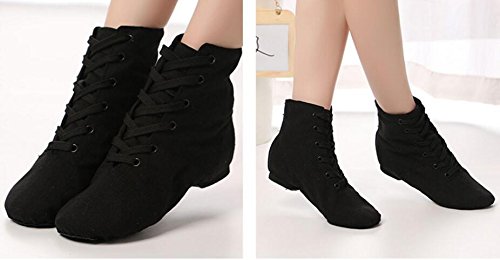
Before diving into materials or brands, you must identify which category of shoe fits your current training stage. Ballet footwear is not a one-size-fits-all category. It is strictly divided by function. For beginners and those in recreational classes, soft ballet slippers are the standard. These are typically made of canvas or leather and are designed to allow the foot to move freely without providing significant structural support. As dancers progress, they may transition into specialized footwear like lyrical shoes or jazz shoes, which offer different levels of flexibility and grip. The most significant jump occurs when a dancer reaches the advanced stage and begins pointe work. Pointe shoes are highly engineered tools designed to support the dancer's entire weight on the tips of the toes. These require professional fitting and are vastly different from the soft slippers used in preparatory classes.
Material Matters: Canvas vs. Leather
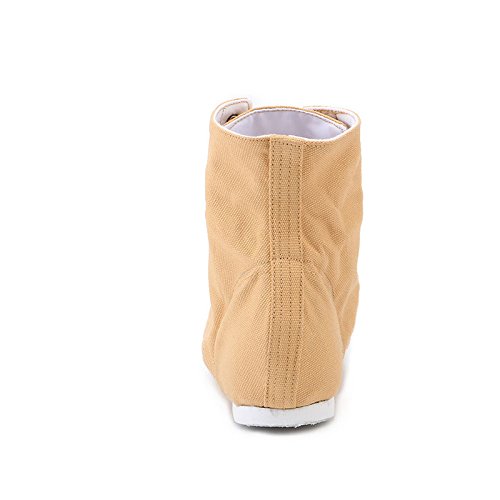
One of the most immediate decisions you will face is choosing between canvas and leather construction. Each material offers distinct advantages depending on your environment and personal preference. Canvas slippers are lightweight, highly breathable, and tend to conform to the shape of the foot over time, making them excellent for dancers who run hot or prefer a 'second skin' feel. However, canvas can lose its shape more quickly and may offer less protection against friction. Leather slippers, on the other hand, provide a more structured feel and are generally more durable. They offer a sleek aesthetic that many classical instructors prefer and can provide a bit more lateral support. If you are dancing in a studio with a particularly smooth floor, the slight grip of leather might be preferable to the slipperiness of worn canvas.
Prioritizing Fit and Flexibility
A ballet shoe should feel like an extension of your foot, not a container for it. When testing for fit, pay close attention to the toe box and the arch. There should be no significant gaps between your foot and the shoe, as excess space will cause the fabric to bunch, leading to blisters and poor stability. Conversely, the shoe must not be so tight that it restricts circulation or prevents your toes from articulating. For soft slippers, look for a design that allows for a clean 'roll through' from the heel to the toe. If the sole is too stiff, you will struggle to achieve the beautiful lines required in ballet technique. For those moving toward pointe work, the fit becomes even more critical. The shoe must be snug enough to prevent the foot from sliding inside, yet provide enough room to avoid crushing the toes.
Considering Sole Construction and Floor Surface
The construction of the sole plays a vital role in how you interact with the studio floor. Most soft ballet shoes feature a split-sole design, which consists of two separate pieces of material for the heel and the ball of the foot, connected by an elastic band. This design is favored by modern dancers because it maximizes flexibility and allows for a greater range of motion in the arch. Full-sole shoes, where a single piece of material covers the entire bottom, offer more stability and are often used in specific traditional styles or by dancers who require more support. Always consider the surface you will be dancing on. A highly polished marley floor may require a shoe with a specific level of friction to prevent slipping, whereas a wooden floor might necessitate a different grip profile.
Maintenance and Longevity
Ballet shoes are high-performance items that undergo significant stress. To maximize your investment, understand that different materials require different care. Leather shoes may need to be wiped down, while canvas shoes can sometimes be spot-cleaned, though frequent washing can degrade the structural integrity of the sole. Because dancers often go through shoes quickly due to the intensity of training, it is wise to consider the cost-to-durability ratio. Investing in a high-quality pair that supports proper alignment may save you money in the long run by preventing injury and the need for frequent replacements due to improper wear patterns.