Prioritize Material Integrity
The most critical decision in selecting a ballet flat is the upper material. Because these shoes are often worn without socks, breathability and skin contact are paramount. Genuine leather is the gold standard. It is naturally porous, allowing your feet to breathe, and it possesses the unique ability to mold to the specific contours of your foot over time. Suede offers a softer, more bohemian aesthetic and provides a more flexible feel, though it requires more maintenance to protect against moisture. If you are looking for vegan alternatives, seek out high-quality microfibers or engineered knits. Avoid cheap synthetic plastics, which trap heat and moisture, often leading to discomfort and friction-induced blisters.
Evaluate Sole Construction and Flexibility
A common pitfall when shopping for ballet flats is selecting a sole that is either too rigid or too flimsy. A truly high-quality ballet flat should offer a balance of both. Look for a sole that provides enough flexibility to allow for a natural walking gait—meaning you should be able to bend the shoe at the ball of the foot—but also enough density to protect your feet from the impact of hard pavement. For daily urban use, a slim rubber outsole is preferable to a hard leather sole, as it provides much-needed traction and shock absorption. If you are selecting flats for travel, prioritize lightweight, collapsible soles that can be tucked into a carry-on without losing their shape.
The Importance of Interior Support
Because ballet flats are inherently low-profile, they often lack the arch support found in sneakers or boots. This is where many shoppers encounter fatigue. When evaluating a pair, check the interior construction. Look for integrated cushioned insoles or memory foam padding, particularly in the heel and the metatarsal area. A well-constructed flat will have a reinforced heel cup to prevent your foot from sliding out, which is a primary cause of 'toe gripping'—a habit that can lead to foot strain. If you have high arches, you may need to look for brands that specifically incorporate orthotic-friendly footbeds.
Toe Box Shape and Fit
The silhouette of the toe box dictates both the style and the comfort of the shoe. Pointed-toe flats offer a sophisticated, lengthening effect on the leg, making them ideal for formal or professional attire. However, they require a wider toe box to prevent pinching. Round-toe flats are the classic choice, providing more room for the toes to splay naturally, which is better for long-duration wear. When trying on flats, ensure there is a small amount of clearance at the toes. Your feet will naturally swell throughout the day, and a fit that feels 'perfect' in the morning may become painful by the afternoon.
Aesthetic Versatility vs. Occasion
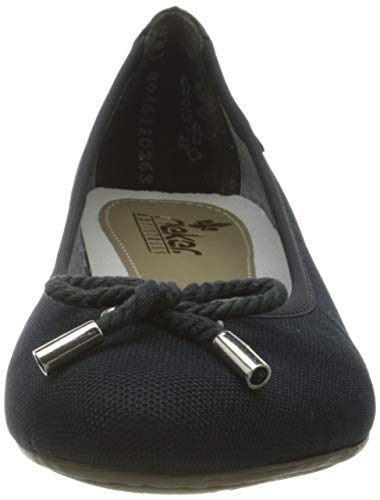
Finally, consider the intended use. For a minimalist, capsule wardrobe approach, neutral tones like black, nude, or navy in matte leather are indispensable. If you intend to use the flats as a statement piece, look for textures like velvet, metallic finishes, or embellished details such as bows or buckles. Always weigh the 'trend factor' against longevity. A classic silhouette in a high-quality material will remain relevant for years, whereas highly decorative styles may feel dated more quickly.