Understanding the Dance Discipline
The first decision in selecting ballroom shoes is identifying your primary dance style. Ballroom dancing is broadly split into two categories: International Standard (Waltz, Tango, Viennese Waltz, Foxtrot, Quickstep) and International Latin (Cha-Cha, Samba, Rumba, Paso Doble, Jive). Standard shoes are designed for elegance and fluid movement. They often feature a more structured heel and a silhouette that complements long gowns. Conversely, Latin shoes are built for speed, hip action, and rhythmic precision. Latin shoes typically have a more flexible construction and a slightly higher heel-to-toe ratio to assist in the rapid weight shifts required for these high-energy dances.
Sole Material and Floor Interaction
The sole is perhaps the most critical component of a dance shoe. Most professional-grade ballroom shoes utilize a suede (split-grain leather) sole. Suede provides the perfect balance of grip and slide, allowing you to pivot without catching on the floor while still providing enough traction to prevent slipping during sharp movements. Avoid rubber soles for formal ballroom dancing, as they create too much friction, which can lead to knee and ankle strain during turns. When shopping, ensure the suede is high-quality and thick enough to withstand the friction of repeated pivots.
Heel Height and Stability
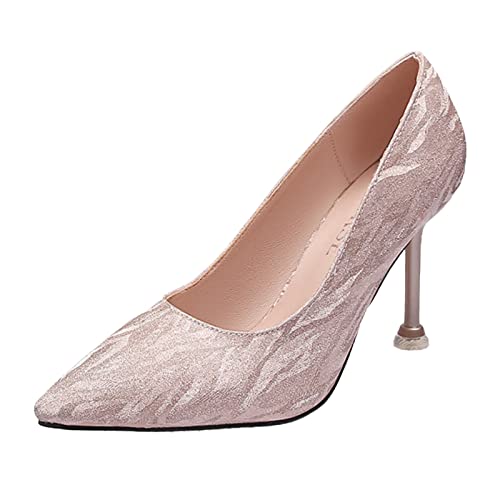
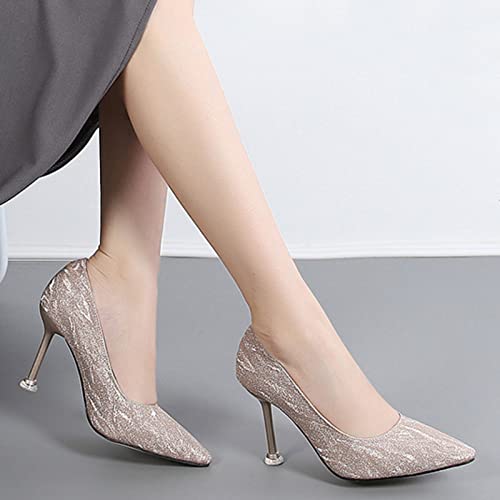
Heel height is a matter of both aesthetic preference and technical necessity. For Latin dancers, heels often range from 1.5 to 3 inches. A higher heel can accentuate the line of the leg and assist in achieving the characteristic 'up' position in Latin dance, but it requires significant ankle strength and stability. For Standard dancers, heels are often slightly lower or more substantial to provide a stable base for the gliding motions of the Waltz. If you are a beginner, we recommend starting with a lower, wider heel to build muscle memory and confidence before transitioning to the more demanding heights of competitive footwear.
Upper Construction and Fit
The upper of the shoe—the part that wraps around your foot—determines how much support you receive. Satin is a popular choice for its aesthetic appeal in competition, but leather offers superior durability and shape retention. For those with wider feet, look for shoes with adjustable straps (such as T-straps or ankle straps) which allow you to customize the tightness and security of the fit. A proper fit should feel like a 'second skin'. There should be no gaping at the sides of the foot, yet the toes should have enough room to move without being crushed. Remember that as you dance, your feet may swell slightly, so a snug but not restrictive fit is vital.
Key Decision Logic
When deciding between two pairs, ask yourself: 1. Is this shoe versatile enough for both practice and performance? 2. Does the heel height align with my current level of ankle stability? 3. Does the strap configuration provide enough security for high-speed turns? If you are looking for longevity, prioritize leather uppers and thick suede soles. If you are focused on immediate aesthetic impact for a single event, satin finishes are an excellent choice.