Determine the Primary Activity
The most critical step in your selection process is defining the 'intent' of the ball. A ball designed for high-impact striking, such as those used in combat sports or heavy field games, requires a much denser core and more durable outer casing than a ball meant for casual catching. If you are looking for a ball for recreational backyard play, you can prioritize soft textures and lightweight materials that won't cause injury. However, if you are training for a specific sport, you must look for balls that mimic the official weight, circumference, and bounce characteristics of professional equipment. Using an incorrect weight can actually sabotage your muscle memory and technique development.
Material Composition and Surface Texture
The material of the ball dictates its durability and how it interacts with your hands or feet. Generally, you will encounter three main categories: synthetic leather, rubber, and foam. Synthetic leather is the gold standard for precision and grip in field sports, offering a professional feel that holds up well against moisture. Rubber is the king of durability and bounce. It is nearly indestructible and ideal for outdoor play on concrete or asphalt, though it often lacks the refined touch required for skill-based training. Foam balls are strictly for indoor use or low-impact play, providing a soft tactile experience that is safe for children and indoor environments where furniture might be at risk.
Internal Construction and Air Retention
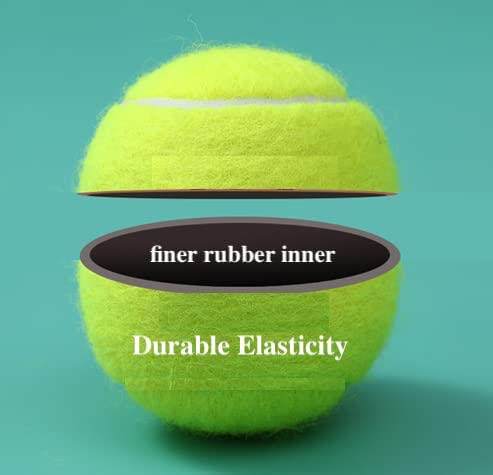
A ball is only as good as its ability to hold its shape. When inspecting a ball, look closely at how the panels are joined. Stitched panels generally offer more durability and a more consistent flight path than thermally bonded panels, which are often smoother and more water-resistant. Furthermore, consider the valve quality. A high-quality bladder inside the ball ensures that it maintains its internal pressure over long periods. If you find yourself constantly pumping up a ball, it is a sign of a poor-quality bladder or a faulty valve, both of which will lead to an inconsistent bounce and a shorter lifespan.
Environmental Considerations
Where you plan to play should heavily influence your choice. If you are playing on wet grass, you need a ball with a water-resistant outer layer to prevent it from becoming waterlogged and heavy. If you are playing on hard surfaces like driveway pavement, a high-durometer rubber ball is essential to prevent the casing from scuffing or tearing. For indoor gym settings, look for balls that are 'non-marking' to ensure you do not leave scuffs on the polished flooring. Always match the ball's resilience to the abrasiveness of your playing surface.
Summary of Recommendation Logic
To make the final call, follow this logic: If the goal is skill mastery, prioritize weight accuracy and stitched construction. If the goal is rugged outdoor fun, prioritize rubber composition and impact resistance. If the goal is safety and indoor play, prioritize foam density and soft-touch surfaces. By aligning the ball's physical properties with your specific environment and activity level, you ensure a purchase that provides both performance and longevity.