Material Composition and Weight
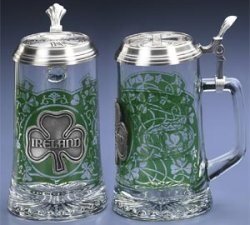
The first decision factor is the material. Most premium steins fall into two categories: ceramic/stoneware and glass. Ceramic steins, particularly those with high-relief leaf patterns, offer a substantial, weighted feel that many enthusiasts crave. The thickness of the walls affects heat retention, helping to keep your lager or ale cool for longer. If you prefer a more delicate aesthetic, hand-blown glass steins with etched leaf designs allow you to appreciate the clarity and carbonation of your beverage, though they are generally more fragile. When choosing ceramic, look for high-fired stoneware, as it is more resistant to chipping and provides a more permanent finish for the intricate botanical details.
Detailing and Relief Work
What sets a 'leaf' themed stein apart is the texture. In high-end steins, the leaf patterns are not merely painted on. They are embossed or sculpted into the body of the vessel. This is known as relief work. When shopping, run your fingers along the surface (if possible) or inspect photos closely to ensure the veins of the leaves and the edges of the foliage are crisp and well-defined. Shallow, poorly molded designs can feel cheap and may be difficult to clean. Deep, tactile relief adds a sensory dimension to the drinking experience, making the mug feel integrated with nature.
Ergonomics and Handle Design
A stein is meant to be held, often for extended periods. This makes the handle one of the most critical ergonomic components. A well-designed leaf stein should have a handle that allows for a secure grip without straining the fingers. Some traditional designs feature handles that incorporate organic shapes, such as a vine or a sturdy branch, which complements the leaf motif. Ensure the handle is securely attached to both the body and the rim. A poorly balanced handle can make a heavy stoneware mug feel unwieldy and increase the risk of accidental spills.
Lid Functionality and Tradition
Many traditional steins come equipped with a hinged lid, often made of pewter or stainless steel. While a lid is not strictly necessary for casual sipping, it serves two important purposes: it prevents dust and insects from entering the beverage, and it aids in temperature retention. If you are buying a stein for display or as a collector's item, a pewter lid with an engraved leaf motif can significantly increase the visual impact. However, if you plan on daily use, ensure the hinge mechanism is smooth and that the thumb lever is easy to operate with one hand.
Care and Longevity
Finally, consider how you intend to maintain your purchase. Intricate leaf patterns, especially those with deep crevices, can trap residue. If you choose a highly textured ceramic stein, be prepared to clean it carefully with a soft brush. Avoid placing highly decorative or hand-painted steins in the dishwasher, as the harsh detergents and high heat can degrade the finish over time. For long-term preservation of the luster and the botanical details, hand-washing is always the preferred method for premium glassware and stoneware.