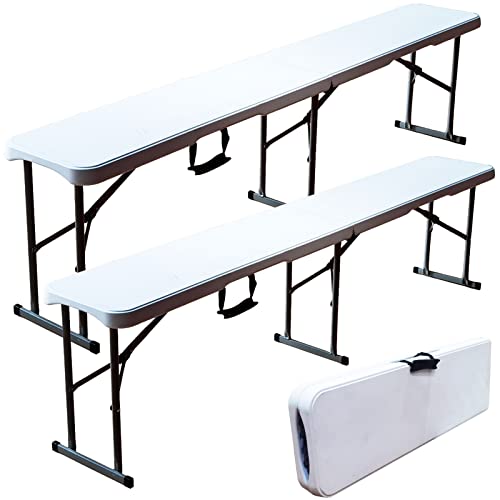
1. Define the Environment: Indoor vs. Outdoor
The most critical decision factor is where the bench will live. If you are shopping for an outdoor bench, weatherproofing is your primary concern. You must look for materials that can withstand UV exposure, moisture, and temperature fluctuations. For example, teak and cedar are excellent natural choices because they contain oils that resist rot, while powder-coated metals and high-density polyethylene (HDPE) offer synthetic durability. If you are selecting an indoor bench for a mudroom or hallway, you can prioritize aesthetics and tactile comfort, opting for velvet upholstery, polished hardwoods, or intricate metalwork that might not survive a rainstorm.
2. Material Durability and Maintenance
Every material carries a different 'maintenance tax.' Wood is classic and warm, but unless it is a premium hardwood, it may require annual sanding and resealing to prevent cracking. Metal benches, such as wrought iron or aluminum, provide a timeless look. However, iron requires rust prevention, whereas aluminum is naturally corrosion-resistant and much lighter for easy repositioning. For those seeking a 'set it and forget it' option, synthetic wicker or composite resins provide the look of organic materials without the need for constant upkeep. Always consider how much time you are willing to spend cleaning and preserving the bench each season.
3. Ergonomics and Seating Capacity
A bench is only as good as its comfort level. If the bench is intended for long periods of relaxation, such as a garden reading nook, look for a backrest and a slight contour in the seat to support the lumbar region. If the bench is purely for transitional use—like a bench at the foot of a bed or an entryway—a flat, minimalist design may be more appropriate. Additionally, verify the weight capacity. A bench designed for a single person in a decorative capacity will have a significantly lower weight limit than a heavy-duty park bench or a dining bench designed to hold multiple adults. Check the thickness of the seat material. Thin slats can feel uncomfortable over time, whereas solid surfaces provide more stability.
4. Style and Architectural Integration
Benches act as visual anchors. A rustic, heavy timber bench can ground a farmhouse-style porch, while a sleek, mid-century modern bench with tapered legs can elevate a contemporary living room. Consider the scale of your space: a massive, oversized bench in a narrow hallway will create a bottleneck, whereas a slim, armless bench can make a small space feel more open. Pay attention to the 'visual weight' of the legs. Spindly legs create an airy feel, while solid block bases offer a sense of permanence and strength.
5. Stability and Construction Quality
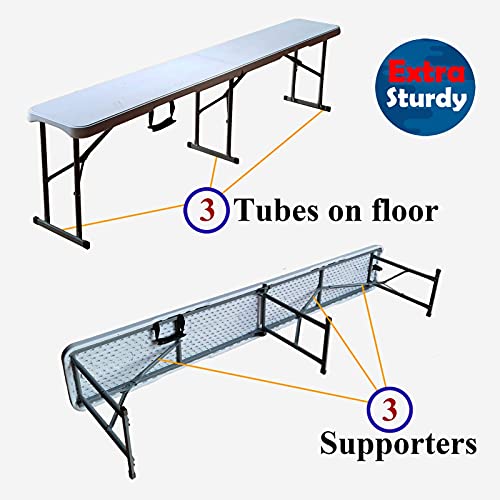
Finally, inspect the joinery. For wooden benches, look for mortise-and-tenon joints or reinforced bracing rather than simple screws, which can loosen over time as the wood expands and contracts. For metal benches, ensure the welds are smooth and continuous. A bench that wobbles when you sit on it is a sign of poor structural integrity. If you plan to move the bench frequently, look for lightweight aluminum. If you want it to stay put against wind or heavy use, prioritize heavy cast iron or solid stone.