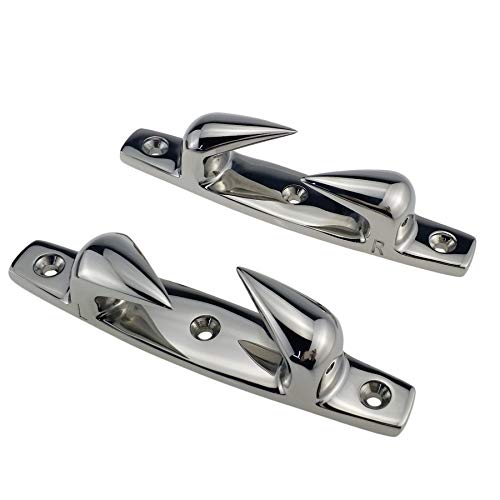
Material Integrity and Corrosion Resistance
The single most important factor when evaluating deck hardware is the material composition. In a marine environment, oxidation is the enemy. When browsing Keehui options, you must prioritize hardware treated for high-salinity resistance. Look for components made from high-grade stainless steel or marine-grade alloys that are specifically designed to resist pitting and tea-staining. While some budget-friendly hardware may look identical to premium options, the difference lies in the electrochemical stability of the metal. If you are operating in saltwater, avoid any hardware that lacks a clear specification for corrosion resistance, as a failed cleat or pull-handle during a docking maneuver can lead to significant vessel damage or injury.
Load Capacity and Mechanical Strength
Every piece of hardware on your deck serves a specific mechanical purpose, and you must match the hardware's breaking strength to the expected load. For example, a cleat used for securing a heavy bow line during a storm requires a significantly higher load rating than a small cleat used to tether a fender. When selecting hardware, consider the 'working load limit' versus the 'breaking strength.' You should always aim for hardware where the working load is well within the safe operating parameters of your vessel's weight and the environmental forces (such as wind and current) you expect to encounter. Pay close attention to the base design. Hardware with a wider footprint or reinforced mounting holes typically distributes stress more evenly across the deck surface, preventing fiberglass cracking.
Mounting Styles and Deck Integration
How the hardware attaches to your boat is just as important as the hardware itself. You will generally encounter two types of mounting: surface-mounted and flush-mounted. Surface-mounted hardware is easier to install and provides a more robust profile for catching lines, making it ideal for cleats and pull-handles. Flush-mounted hardware is preferred for high-traffic decks where you want to minimize tripping hazards or prevent snagging gear. When choosing, ensure the mounting holes align with your existing deck penetrations to avoid unnecessary drilling, which can compromise the watertight integrity of your hull. Always check if the hardware includes necessary backing plates or specialized marine-grade fasteners to ensure a watertight seal.
Ergonomics and Functional Design
Finally, consider the human element of your hardware. Boat deck hardware is often used in wet, slippery, or high-stress situations. If you are selecting pull-handles or cleats, evaluate the grip ergonomics. Smooth, rounded edges are preferable to prevent line fraying and to ensure that hands do not slip during heavy use. The geometry of a cleat should be intuitive, allowing for easy wrapping and unwrapping of lines without creating unnecessary friction that could heat up or damage your ropes. A well-designed piece of hardware should feel substantial and provide a tactile sense of security when gripped or loaded.