Compatibility and Machine Specifications
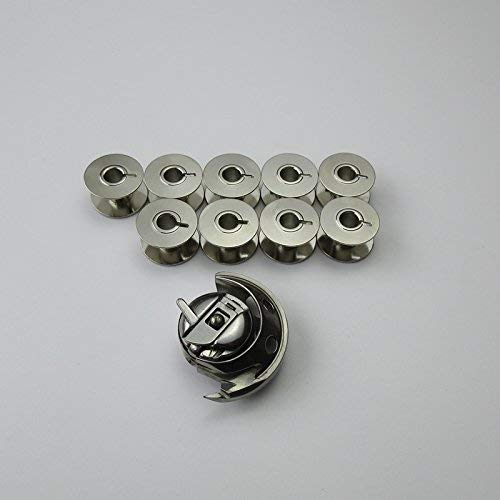
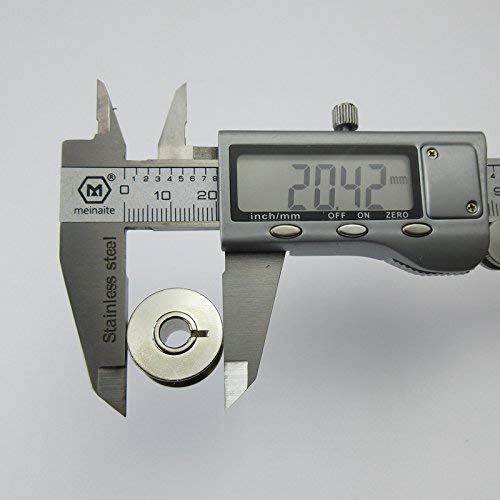
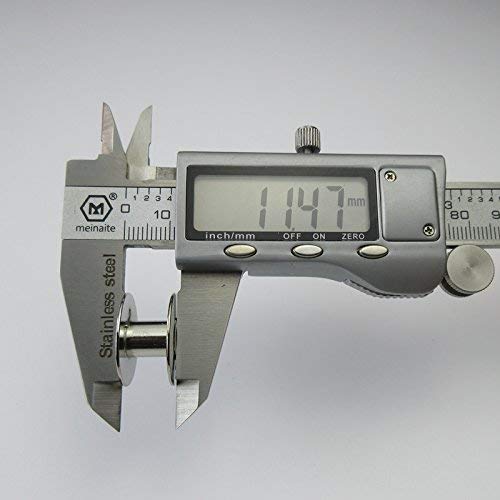
The most critical factor in your selection process is absolute compatibility. Bobbins are not universal. They are engineered to fit specific shuttle or rotary hook systems. A bobbin that is even a fraction of a millimeter too wide will cause jamming, while one that is too narrow will result in inconsistent thread tension. Before purchasing, you must identify whether your machine requires a metal bobbin or a plastic one. Metal bobbins are often preferred for high-speed industrial applications due to their durability and ability to dissipate heat, whereas plastic bobbins are common in domestic machines for their lightweight nature and ease of use. Always verify the diameter, thickness, and the shape of the center hole to ensure a perfect fit within your machine's tension disc.
Material Composition and Durability
The material of your bobbin affects both the longevity of the component and the quality of the stitch. Stainless steel bobbins are the gold standard for professional environments. They resist wear and tear from constant friction and are less likely to warp over time. This stability is vital for maintaining a consistent thread path. On the other hand, high-grade polymer bobbins are excellent for hobbyists who want to color-code their thread sets. However, be aware that plastic bobbins can develop micro-scratches over time. These tiny imperfections can snag the thread, leading to sudden breaks or 'bird-nesting' under the throat plate. If you are performing heavy-duty sewing or working with synthetic threads that generate heat, investing in metal is the smarter long-term choice.
Weight and Balance for High-Speed Sewing
When sewing at high speeds, the centrifugal force acting on the bobbin becomes a significant variable. A bobbin that is poorly balanced or has an uneven weight distribution will vibrate during rotation. This vibration translates directly into the needle, causing uneven stitch lengths or even broken needles. Look for bobbins that are manufactured with high precision to ensure they are perfectly symmetrical. For industrial-grade tasks, the weight of the bobbin can also influence how the thread pulls from the spool. A bobbin that is too light may not provide enough inertia to maintain a steady thread supply during rapid-fire stitching cycles.
Thread Compatibility and Tension Management
The interaction between the bobbin material and your thread type is a subtle but essential consideration. Some synthetic threads can react with certain coatings on low-quality bobbins, causing friction. When selecting bobbins, consider the type of thread you use most frequently. If you work primarily with fine silks or delicate embroidery threads, you need a bobbin surface that is exceptionally smooth to prevent any microscopic fraying. If you are working with heavy-duty upholstery thread, you need a robust bobbin that can handle the increased tension without bending. A well-chosen bobbin facilitates a smooth transition from the spool to the needle, ensuring that the tension remains stable throughout the entire length of your seam.