Material Composition and Alloy Purity
The primary differentiator in high-quality brass bars is the specific alloy composition. Not all brass is created equal. The ratio of copper to zinc significantly affects both the weight and the acoustic dampening properties of the bar. For those seeking maximum resonance, look for bars with a higher copper content, as this tends to provide a warmer, more traditional tone. Conversely, if your goal is structural rigidity and a brighter, more cutting sound, an alloy with a higher zinc content may be preferable. Always verify the density of the material if the manufacturer provides technical specifications, as density directly correlates to how the bar will interact with the vibrations of your instrument.
Weight and Mass Distribution
In the world of brass accessories, mass is everything. The weight of a bar can alter the center of gravity of your instrument, affecting both playability and airflow dynamics. When choosing a bar, consider whether you need a lightweight option to maintain the instrument's original agility or a heavier bar to add stability and dampen unwanted high-frequency overtones. A well-designed bar should have a balanced mass distribution. Uneven weighting can lead to ergonomic discomfort or inconsistent response during complex passages. If you are replacing an existing component, try to match the approximate mass to avoid a radical shift in the instrument's feel.
Machining Precision and Surface Finish
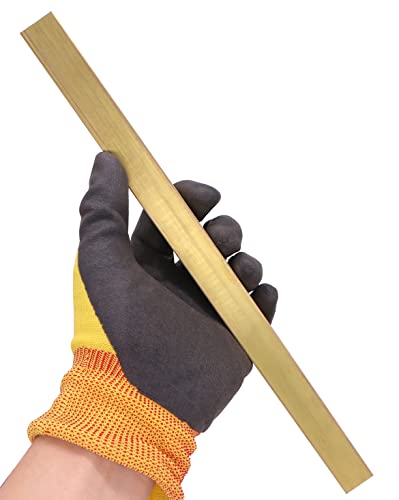
Because these bars are intended for high-performance use, the quality of the machining is paramount. Inspect the edges and contact points for smoothness. Any burrs, rough spots, or uneven machining can create friction or, worse, micro-vibrations that interfere with the instrument's clarity. A superior bar will feature a polished or brushed finish that is not just aesthetically pleasing, but functionally optimized to prevent corrosion and ensure a smooth interface with adjacent parts. High-precision tolerances are essential to ensure that the bar fits snugly without requiring excessive force, which could damage the delicate surfaces of your brass instrument.
Durability and Corrosion Resistance
Brass is naturally resistant to corrosion, but the environment in which an instrument is played—often involving moisture from breath and perspiration from hands—can take a toll over time. Look for bars that have undergone specialized finishing processes, such as lacquering or electroplating, if you require extra protection against tarnishing. A bar that maintains its structural integrity and surface smoothness over years of use is far more valuable than a cheaper alternative that begins to pit or oxidize quickly. Consider the long-term maintenance requirements of the finish you choose. Some finishes require regular polishing, while others are designed to be 'set and forget.'
Compatibility and Integration
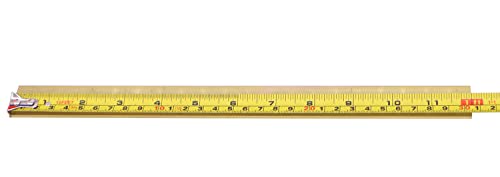
Before finalizing your purchase, ensure the bar's dimensions and mounting points are compatible with your specific hardware setup. Even within the same category, slight variations in thickness or length can make the difference between a perfect fit and a frustrating installation. Look for descriptions that specify the intended application or the specific type of brass hardware the bar is designed to augment. A successful integration means the bar feels like an organic extension of the instrument rather than an aftermarket addition.