Material Composition and Durability
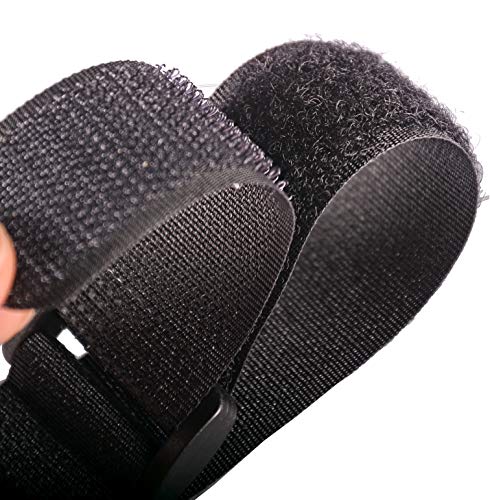
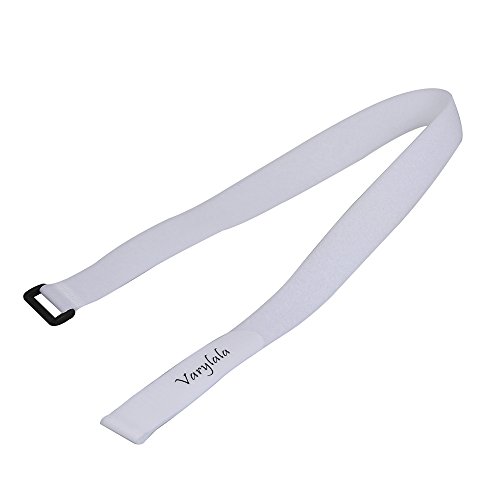
The first thing to consider is what the strap is actually made of. High-quality cable management solutions typically fall into two camps: hook-and-loop (velcro-style) or silicone/rubberized materials. Hook-and-loop straps are the industry standard for a reason. They are incredibly versatile, allowing you to wrap them around bundles of varying thicknesses without needing to cut them to a specific length. They are also gentle on cable insulation, meaning they won't pinch or crush sensitive fiber optic or high-speed data lines. If you are looking for something that can withstand heavy use in a high-traffic environment, look for reinforced stitching or high-density fabric that won't fray after repeated applications.
Attachment Mechanism and Reusability
A common mistake in cable management is choosing a 'single-use' solution. If you are constantly adding or removing devices—such as swapping out a laptop charger or a peripheral—you need straps that offer easy access. The best straps feature a design that allows for quick loosening and tightening. Avoid any options that require permanent cutting or that use adhesives that leave a sticky residue on your expensive cables. For permanent installations, such as routing cables behind a mounted television, you might prefer a strap with a more rigid structure, whereas for desktop organization, a soft, flexible loop is superior for preventing cable fatigue.
Size and Bundle Capacity
One size rarely fits all in the world of cable organization. You must assess the diameter of the bundles you intend to manage. A single thin USB-C cable requires a much smaller diameter strap than a heavy-duty power strip cord or a cluster of HDMI and ethernet cables. When shopping, look for kits that offer a variety of lengths and widths. A good set will include small loops for individual cord management and larger, wider straps for grouping multiple cables into a single, manageable 'trunk.' Using a strap that is too small will put undue stress on the wires, potentially leading to internal breakage, while a strap that is too large will fail to provide the necessary tension to keep the bundle tidy.
Application Environment
Consider where these straps will live. If they are destined for a server room or an outdoor setup, look for UV-resistant or heat-resistant materials. For a home office or a gaming setup, aesthetic integration is key. Some straps are designed to be low-profile and discreet, blending into the shadows of your desk, while others are more robust and utilitarian. Furthermore, think about the surface they will be attached to. If you are bundling cables to a desk leg, you may want to look for straps that can be paired with adhesive mounting bases to ensure the entire cable run stays elevated and off the floor.
Recommendation Logic
When making your final decision, follow this hierarchy: First, prioritize reusability—if you can't undo it easily, it's not a long-term solution. Second, prioritize versatility—a multi-size kit is always a better value than a bulk pack of a single size. Finally, prioritize cable safety—always choose soft-touch materials over hard plastic ties to ensure your hardware remains in peak condition.