Material Composition and Chemical Compatibility
The most critical factor in selecting a canister is the compatibility between the canister's internal lining and the substance it is intended to hold. Not all canisters are created equal. Some are optimized for inert gases, while others are designed to withstand highly corrosive acidic or alkaline compounds. You must evaluate the chemical resistance of the canister walls. High-grade stainless steel is often the gold standard for durability and resistance to oxidation, but for specific organic solvents or highly reactive reagents, you may require canisters with specialized polymer coatings or glass-lined interiors. Before purchasing, always verify the chemical compatibility charts provided by the manufacturer to ensure the material will not react, swell, or degrade when in contact with your specific payload.
Pressure Ratings and Structural Integrity
A canister is only as good as its ability to maintain internal pressure stability. Depending on your application, you may be dealing with pressurized gases or substances that undergo thermal expansion. When reviewing specifications, pay close attention to the maximum operating pressure (MOP) and the burst pressure rating. A safe margin is essential. Never select a canister that operates at its absolute limit. Furthermore, consider the physical environment where the canister will be stored. If the canister will be subjected to temperature fluctuations, look for models that feature high thermal stability to prevent pressure spikes that could compromise the seals or the structural integrity of the vessel.
Seal Integrity and Closure Systems
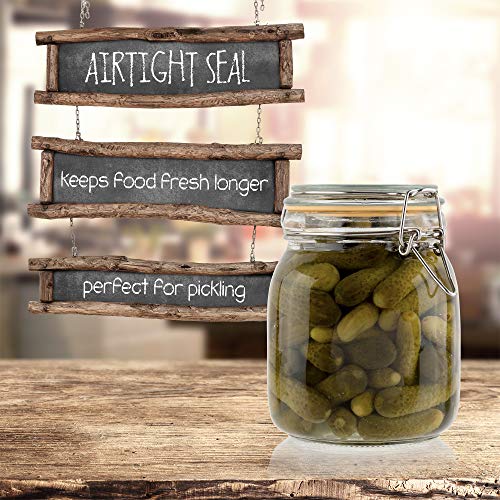
The point of failure in almost every containment system is the seal. For galashield-style canisters, the quality of the gaskets and the mechanism of the closure are paramount. Look for canisters that utilize high-performance elastomers, such as Viton or PTFE, which provide superior resistance to chemical permeation and maintain their elasticity over long periods. The closure mechanism itself—whether it is a threaded screw-top, a bayonet mount, or a specialized valve system—should be intuitive but robust. For high-precision applications, a dual-seal system or a vacuum-tight locking mechanism is highly recommended to prevent even microscopic leaks that could jeopardize sensitive experiments or industrial processes.
Capacity and Ergonomic Design
While technical specs are vital, the practical utility of the canister cannot be overlooked. Capacity should be determined by your workflow: a canister that is too small requires frequent refills, increasing the risk of exposure, while one that is too large may be cumbersome and difficult to maneuver in tight laboratory or industrial spaces. Consider the weight of the canister when it is at full capacity. If the canister needs to be transported frequently, look for designs that include integrated handles, reinforced stacking capabilities, or compatibility with standard transport trolleys. A well-designed canister balances high-volume storage with ease of handling to minimize manual labor and the potential for accidental drops.
Environmental and Regulatory Compliance
Finally, ensure that the canisters you select meet the relevant safety and environmental standards for your industry. This includes certifications for hazardous material transport, pressure vessel safety, and non-reactive material standards. Choosing a canister that is pre-certified for your specific regulatory landscape can significantly streamline your compliance processes and provide peace of mind regarding safety and environmental protection.