Mounting Hardware and Compatibility
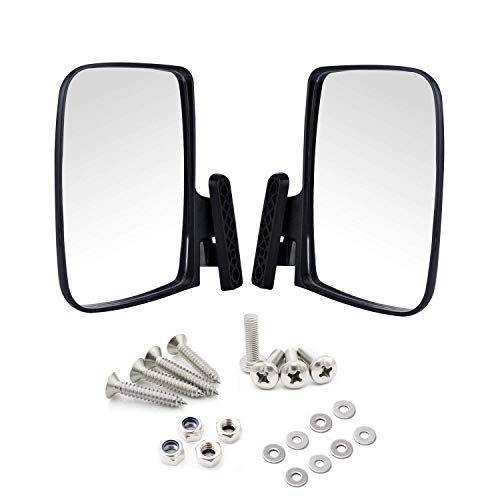
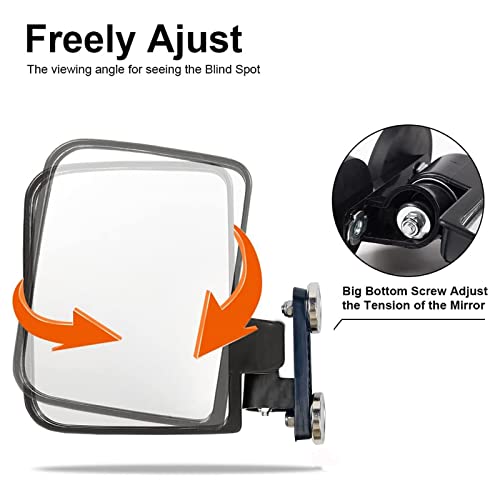
The most common mistake when purchasing tractor mirrors is overlooking the mounting mechanism. Unlike passenger vehicles, tractors feature diverse cab architectures, roll bars, and mounting brackets. You must determine if you need a bracket that clamps onto a tubular ROPS (Roll-Over Protective Structure), a bolt-on plate for a flat cab surface, or a stem-mount mirror that integrates into existing holes. Look for heavy-duty steel or reinforced polymer brackets that can handle the vibration of a diesel engine and the uneven terrain of a field. If your tractor undergoes significant lateral movement during operation, a mounting system with adjustable tensioners or locking bolts is essential to prevent the mirror from vibrating out of focus.
Glass Type and Field Durability
In an agricultural setting, mirrors are constantly exposed to dust, debris, chemical sprays, and extreme temperature fluctuations. Standard glass may shatter easily under the impact of a flying stone or a branch. Consider mirrors with tempered or safety glass to minimize the risk of injury in the event of an impact. Furthermore, look for 'heated' mirror options if you operate in climates prone to frost or heavy condensation. A heated mirror element allows you to clear fog and ice instantly, maintaining a clear line of sight during early morning chores or winter applications. For those working in high-dust environments, a mirror with a high-quality hydrophobic coating can help water and grime bead off more effectively, reducing the frequency of cleaning.
Convex vs. Flat Mirror Geometry
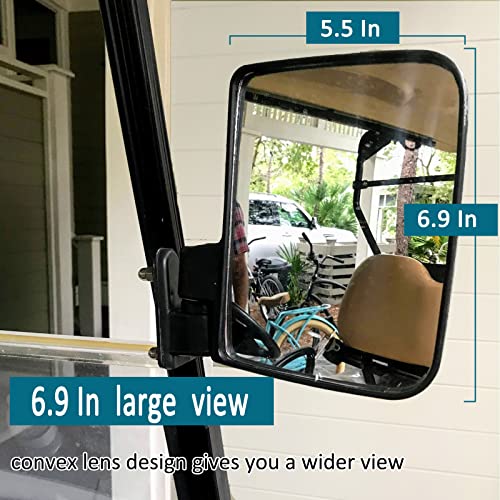
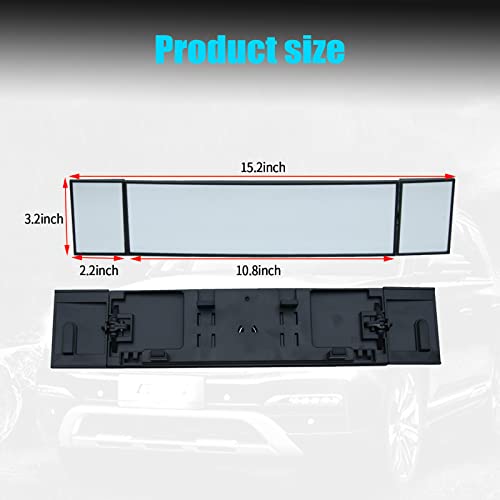
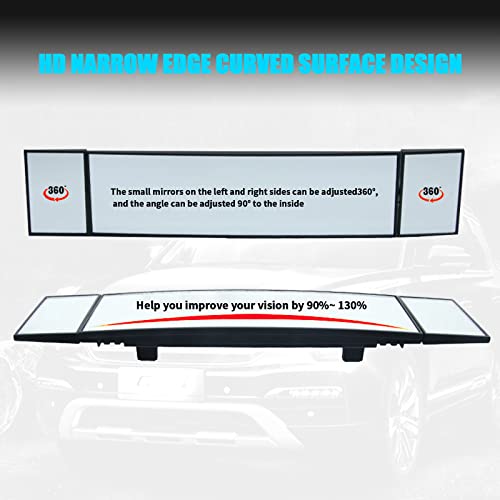
Understanding the difference between flat and convex glass is vital for managing blind spots. Flat mirrors provide a true representation of distance and scale, which is helpful when judging the gap between your tractor and a fence line. However, convex (curved) mirrors provide a much wider field of view, which is indispensable when you are pulling wide implements like plows or seeders. A convex mirror effectively 'shrinks' the view to show more of the area behind and to the sides of the vehicle. Many professional setups utilize a dual-element approach: a large flat mirror for primary viewing and a smaller convex 'spot' mirror attached to the corner to eliminate the immediate blind spot around the machine's rear tires.
Adjustability and Range of Motion
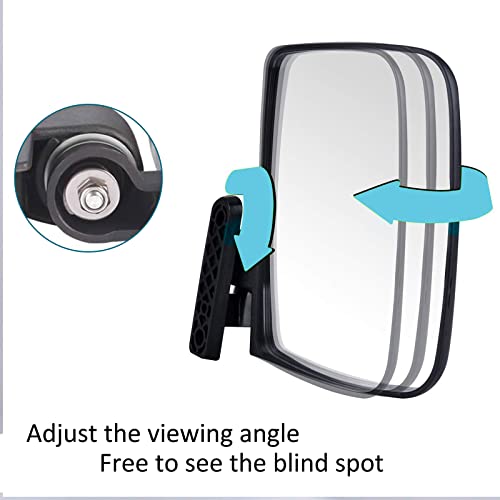
A mirror is only useful if it can be positioned precisely. Because tractor operators often sit higher than standard car drivers and may shift their seating position depending on the task, look for mirrors with a multi-axis adjustment system. This means the mirror head should be able to tilt vertically and swivel horizontally. Some premium models offer 'locking' adjustments, which allow you to set the angle and then tighten a knob to ensure the mirror stays put even when driving over rough, unpaved paths. If you frequently switch between operating the tractor and driving a utility vehicle, look for mirrors that can be adjusted quickly without requiring specialized tools.
Material Integrity and Corrosion Resistance
Agricultural work is inherently corrosive. Between fertilizers, pesticides, and constant exposure to moisture, cheap plastic housings will quickly become brittle and crack. Invest in mirrors with powder-coated steel housings or high-impact, UV-stabilized polymers. These materials resist sun bleaching and chemical degradation. Ensure that any exposed metal components, such as mounting bolts and adjustment screws, are galvanized or stainless steel to prevent rust from seizing the mechanism, which would render the mirror unadjustable over time.