Understanding Tire Categories and Seasonality
The first step in your selection process is determining the primary environment in which your vehicle operates. Tires are engineered with specific rubber compounds and tread patterns designed for particular weather conditions. All-season tires are the most popular choice for daily commuters because they offer a balanced compromise between wet and dry grip and can handle light snow. However, if you live in a region with harsh, sustained winters, you should prioritize dedicated winter tires, which use softer rubber compounds that remain pliable in freezing temperatures. Conversely, if you prioritize handling and grip during warm months, performance summer tires offer superior traction but become dangerously hard and slick once temperatures drop below freezing.
Every tire carries a standardized code on its sidewall that tells you exactly what it can handle. You must match these specifications to your vehicle's manufacturer recommendations. Pay close attention to the Load Index and Speed Rating. The load index indicates the maximum weight each tire can support, which is vital for SUVs and heavy sedans. The speed rating is a letter code that signifies the maximum speed the tire can safely sustain. Ignoring these ratings can lead to catastrophic tire failure under high-stress driving conditions. Additionally, look for the UTQG (Uniform Tire Quality Grading) ratings, which provide a standardized way to compare treadwear, traction, and temperature resistance across different brands.
Tread Pattern and Noise Levels
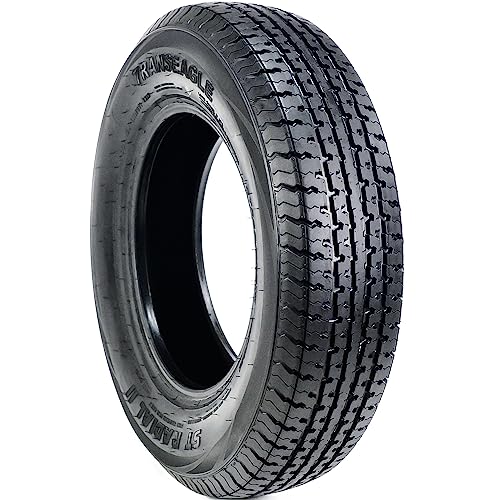
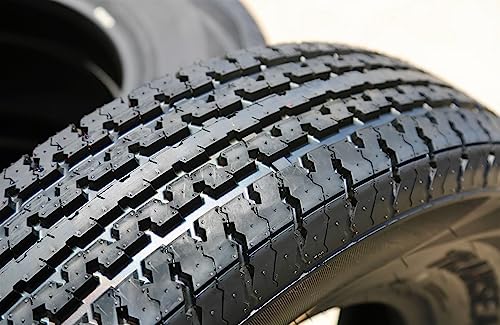
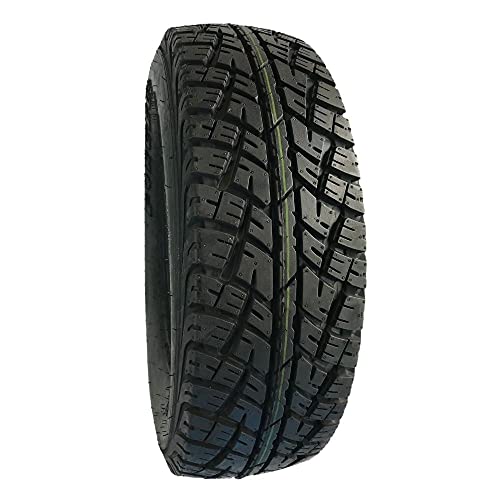
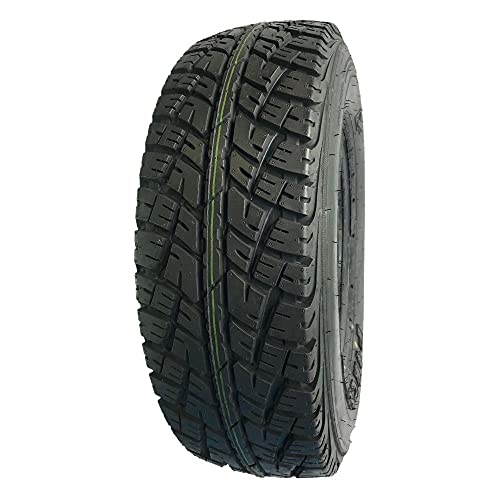
The geometry of the tread pattern significantly impacts how your car feels on the road. Large, chunky tread blocks provide excellent grip in off-road or snowy conditions but often result in increased road noise and a 'humming' sensation at highway speeds. For a quiet, comfortable highway ride, look for tires with more continuous ribs and smaller sipes (the tiny slits in the tread). If you frequently drive on unpaved roads, an all-terrain tire with deeper grooves will help eject stones and mud, whereas a touring tire will prioritize a smooth, vibration-free experience on asphalt.
Longevity and Total Cost of Ownership
When shopping for tires, it is a mistake to look only at the initial purchase price. A cheaper tire with a low treadwear rating will require replacement much sooner than a premium tire with a high mileage warranty. Calculate the cost per mile to determine the true value. High-quality tires often feature advanced silica compounds and reinforced sidewalls that resist uneven wear, meaning you won't have to replace them as frequently. Always consider the balance between the upfront investment and the long-term durability to ensure you are getting the best value for your driving habits.