Understanding Tire Categories and Seasonal Suitability
The first step in your selection process is identifying your primary driving environment. Tires are engineered with specific rubber compounds and tread patterns optimized for certain conditions. All-Season tires are the most popular choice for general commuters because they offer a balanced compromise between wet, dry, and light snow performance. However, they are not specialized tools. If you live in a region with harsh, consistent winters, you should prioritize Winter (or Snow) tires. These feature softer rubber compounds that remain pliable in freezing temperatures and aggressive siping to grip ice. Conversely, if you primarily drive in hot, dry climates on paved roads, Summer tires provide superior grip and handling responsiveness, though they can harden and lose traction once temperatures drop below freezing.
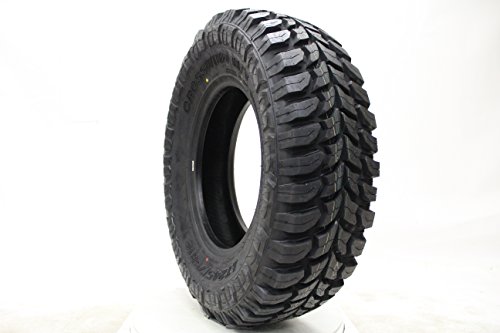
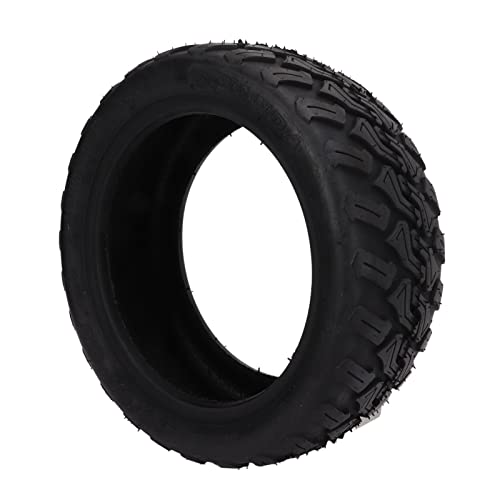
Tread design is not just an aesthetic choice. It is a functional requirement. For those seeking a quiet and comfortable ride, look for tires with ribbed tread patterns and fewer large tread blocks, which minimize air displacement noise. If you frequently drive on unpaved roads or light off-road trails, All-Terrain tires are necessary. These feature deeper grooves and larger tread blocks to clear mud and stones, though they will be louder on the highway. For high-performance vehicles, Ultra-High Performance (UHP) tires are designed with asymmetrical tread patterns to provide maximum lateral grip during high-speed cornering, ensuring the vehicle stays planted during sudden maneuvers.
Key Metrics: Speed Ratings and Load Indexes
Before finalizing a purchase, you must consult your vehicle manufacturer's specifications for two critical numbers: the load index and the speed rating. The load index indicates the maximum weight each tire can support. Installing tires with a lower index than what your vehicle requires can lead to catastrophic sidewall failure. The speed rating (often represented by a letter like H, V, or W) indicates the maximum speed the tire can safely sustain under a specific load. While it might be tempting to buy tires based solely on price, ignoring these technical requirements compromises the structural integrity of your vehicle's handling.
Evaluating Longevity and Rolling Resistance
Modern tire shopping requires a look at the long-term cost of ownership. Pay close attention to the Treadwear Grade, which provides a comparative measure of how long the rubber will last under standard driving conditions. Additionally, consider the Rolling Resistance. Tires with low rolling resistance are engineered to require less energy to move, which directly translates to improved fuel economy. While these tires might carry a slightly higher upfront cost, the savings at the fuel pump over the lifespan of the tire often make them the more economical choice for high-mileage drivers.