Understanding Tire Categories and Use Cases
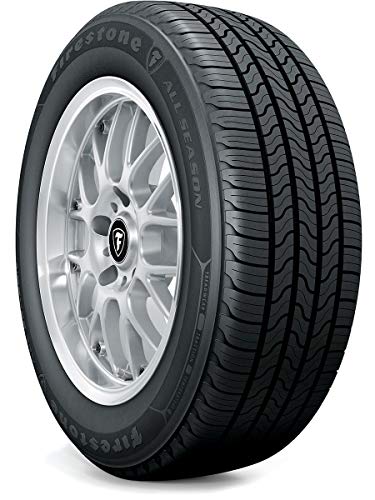
The first step in your selection process is identifying your primary driving environment. Tires are not 'one size fits all.' Most consumers fall into one of three major categories: All-Season, Summer, or All-Terrain. All-Season tires are the most popular choice for daily commuters because they are engineered to provide a balanced compromise between wet and dry performance and can handle moderate temperature fluctuations. However, they often lack the extreme grip of dedicated summer tires or the ruggedness of winter-specific rubber.
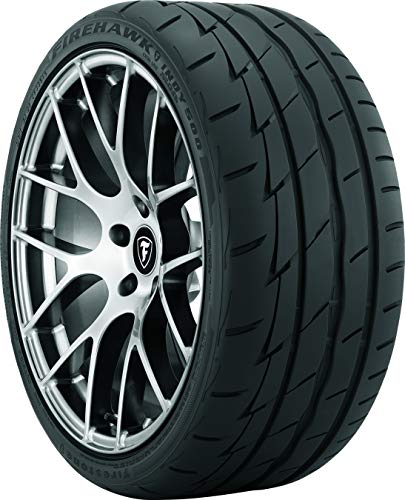
If you live in a climate with scorching summers and dry highways, performance-oriented summer tires offer superior lateral grip and shorter braking distances, though they become dangerously brittle in freezing temperatures. Conversely, if you frequently drive on unpaved roads or through heavy snow, you should prioritize All-Terrain or dedicated Winter tires, which feature deeper tread grooves and specialized sipes to evacuate slush and grip loose surfaces.
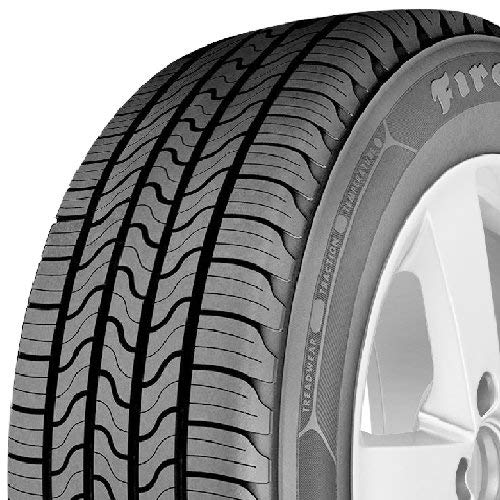
A common point of confusion for buyers is the trade-off between longevity and performance. This is often represented by the Treadwear Rating. A tire with a high treadwear rating will last more miles, making it a cost-effective choice for long-distance commuters. However, these tires often use harder rubber compounds that offer less 'bite' during emergency maneuvers.
On the other end of the spectrum, high-performance tires use softer, stickier compounds that provide exceptional traction but wear down much faster. When deciding, ask yourself: Is my priority minimizing the frequency of replacements, or is it maximizing the handling capabilities of my vehicle during spirited driving? For most drivers, a mid-range treadwear rating provides the best equilibrium of safety and value.
Before making a purchase, you must become fluent in reading the sidewall markings. Beyond the standard size dimensions, pay close attention to the Load Index and Speed Rating. The Load Index ensures the tire can support the weight of your specific vehicle class, while the Speed Rating indicates the maximum speed the tire can safely maintain under its rated load. Installing a tire with an insufficient speed rating can lead to overheating and catastrophic failure at highway speeds.
Additionally, look for the UTQG (Uniform Tire Quality Grading) ratings, which provide a standardized way to compare the treadwear, traction, and temperature resistance across different brands. This allows for an apples-to-apples comparison that goes beyond marketing claims.
Noise, Comfort, and Rolling Resistance
Modern tire technology has moved beyond just grip. Comfort is now a major selling factor. High-end touring tires are designed with variable pitch tread patterns to minimize 'road hum,' which significantly improves the cabin experience during long trips. Furthermore, consider the rolling resistance. Tires with low rolling resistance are engineered to move more efficiently through the air and over the pavement, which can lead to measurable improvements in fuel economy—a vital factor for those looking to reduce long-term operating costs.