Understanding Tire Categories and Tread Patterns
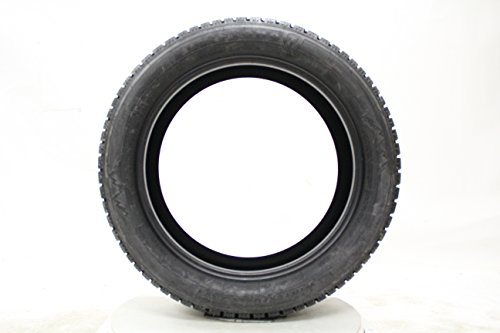
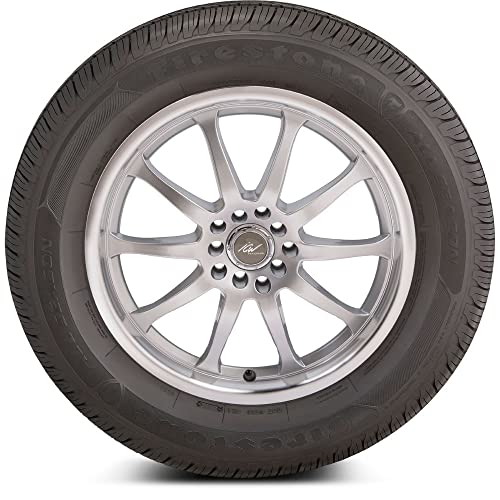
The first step in your selection process is identifying the primary use case for your vehicle. Tires are engineered with specific tread patterns designed to manage water displacement, grip, and noise. All-Season tires are the most popular choice for daily commuters because they offer a balanced compromise between wet and dry performance and can handle moderate temperature fluctuations. However, if you live in a region with heavy snowfall, you should look specifically for All-Weather tires, which carry the three-peak mountain snowflake symbol, indicating superior traction in snow compared to standard all-season models.
For those who prioritize responsiveness and cornering grip, Summer tires utilize softer rubber compounds that stay pliable in heat but can become dangerously hard and slick in cold temperatures. Conversely, if your vehicle is built for utility or light off-roading, All-Terrain tires feature deeper, more aggressive tread blocks designed to clear debris and maintain traction on unpaved surfaces, though they may produce more road noise on the highway.
When comparing different options, you must weigh three competing factors: rolling resistance, treadwear rating, and noise levels. Rolling resistance affects your fuel efficiency. Tires designed with low rolling resistance are ideal for hybrids and eco-conscious drivers looking to maximize MPG. Treadwear ratings (often found on the sidewall) provide an indication of how long the tire is expected to last, but remember that a higher mileage rating often comes at the cost of aggressive grip.
Noise levels are also a major factor in cabin comfort. High-performance tires often have stiffer sidewalls and more complex tread patterns that can result in a 'humming' sound at high speeds. If you prioritize a quiet ride for long commutes, look for tires specifically marketed with noise-dampening technology or asymmetrical tread patterns designed to break up sound waves.
Before you commit to a purchase, you must ensure the tire fits your specific rim size and load requirements. The numbers on the sidewall tell a story of width, aspect ratio, and diameter. Beyond size, pay close attention to the Load Index and Speed Rating. The load index ensures the tire can support the weight of your vehicle (including passengers and cargo), while the speed rating indicates the maximum speed the tire can safely sustain. Never install a tire with a lower load index or speed rating than what your vehicle manufacturer recommends, as this can lead to catastrophic tire failure under stress.
Final Recommendation Logic
To make the best decision, follow this hierarchy: First, define your climate (Snow vs. Sun). Second, define your terrain (Highway vs. Dirt). Third, define your priority (Fuel economy vs. Performance vs. Budget). A driver in a suburban environment looking for longevity should prioritize a high-mileage All-Season tire, whereas a performance enthusiast should prioritize a Summer tire with a high-grip compound, even if it means replacing them more frequently.