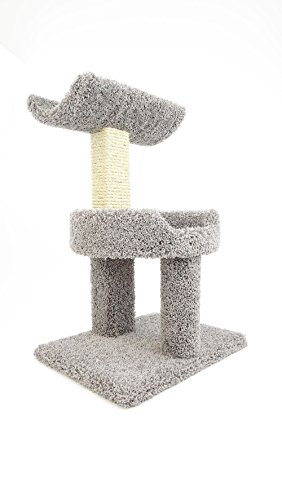
Prioritize Verticality and Multi-Level Architecture
The primary distinction between a simple pet bed and a true cat condo is verticality. Cats are biologically programmed to seek elevation to feel safe from perceived threats. When evaluating condos, look for structures that offer multiple tiers or platforms. A good condo allows a cat to move from a ground-level lounging area to a high-altitude lookout point without having to descend. If you have a multi-cat household, look for 'widely spaced' levels. This prevents a dominant cat from 'blocking' the only exit, allowing more timid cats to navigate the structure without feeling cornered.
Material Integrity and Scratching Durability
A condo is an investment in your cat's physical activity. Many models feature sisal-wrapped pillars, which are essential for natural claw maintenance. When inspecting these, ensure the sisal is tightly wound and securely attached to the internal frame. Loose fibers or poorly anchored rope will quickly unravel under the stress of heavy scratching. Furthermore, check the stability of the base. A condo that wobbles when a cat jumps onto the top tier will quickly become a source of anxiety rather than comfort. Heavy-duty wood or thick, reinforced cardboard bases are preferable to lightweight plastic, which tends to shift and tip during active play.
Enclosure Types: Open vs. Closed Sanctuaries
Deciding between an open-concept condo and a fully enclosed 'cave' style depends heavily on your cat's personality. Some cats are 'observers' who prefer open platforms where they can see everything happening in the room. Others are 'hiders' who require a fully enclosed cubby with minimal visibility from the outside. The ideal purchase often combines both: a structure with a bottom-level enclosed den for deep sleep and upper-level open perches for daytime monitoring. If your cat is prone to anxiety or is a new addition to the home, prioritize models with deep, dark interior compartments to help them decompress.
Fabric Selection and Maintenance
Because cats spend a significant amount of time rubbing against and sleeping on these structures, the upholstery matters. Plush faux-fur is excellent for warmth and comfort, but it acts as a magnet for shed hair and can be difficult to clean. If you prefer a lower-maintenance option, look for condos with removable, machine-washable cushion covers. Avoid materials that are prone to snagging easily, as aggressive scratchers can quickly shred low-quality synthetic fabrics, making the condo look unkempt and potentially creating loose threads that are unsafe to ingest.
Before purchasing, you must map out your floor plan. Cat condos have a significant vertical and horizontal footprint. While a tall, slim tower is great for small apartments, it may not provide enough stability for large, heavy breeds like Maine Coons. Conversely, a wide, sprawling condo provides more surface area but may overwhelm a small living room. Always measure the height of your ceilings against the height of the condo to ensure it doesn't scrape the ceiling or obstruct light fixtures, which can make the structure feel cramped and unappealing to the pet.