Surface Material and Texture
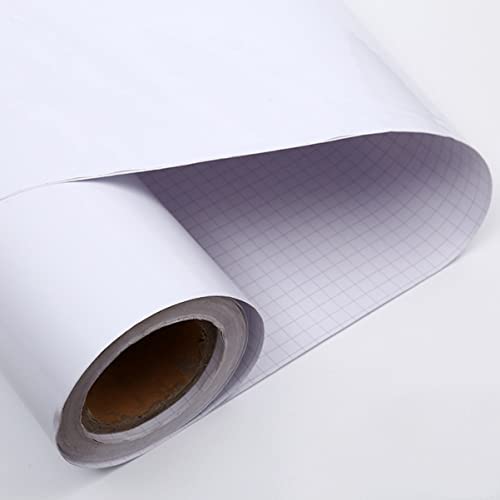
The most critical factor in any chalkboard purchase is the writing surface itself. Not all boards are created equal. Some are made from painted wood, which can be prone to 'ghosting'—a phenomenon where old chalk marks leave a permanent shadow behind. For a premium experience, look for boards utilizing high-density fiberboard (HDF) or specialized slate-effect coatings. These surfaces are designed to be non-porous, allowing for easy erasing without leaving residue. If you plan on heavy use, such as in a classroom or a high-traffic restaurant, prioritize a surface that is specifically labeled as 'easy-clean' to prevent the buildup of chalk dust in the microscopic grain of the board.
Frame Construction and Durability
The frame is not merely decorative. It provides the structural integrity needed to prevent warping over time. For home decor purposes, lightweight plastic or thin aluminum frames are sufficient. However, if the chalkboard is intended for a professional environment or a child's playroom, look for solid wood or heavy-duty metal framing. A sturdy frame ensures that the board stays flat against the wall, which is vital for maintaining a smooth writing surface. A warped board will cause your chalk to skip and create uneven lines, making your handwriting look messy and unprofessional.
Mounting and Installation Versatility
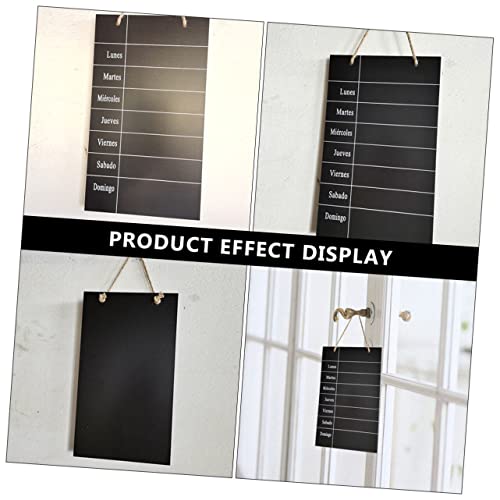
Before purchasing, you must determine how the board will be displayed. There are three primary mounting styles: wall-mounted, easel-style, and tabletop. Wall-mounted boards are ideal for permanent installations like kitchen menus or home organization hubs. Ensure the board comes with pre-installed hanging hardware or mounting brackets to simplify the process. For those who prefer flexibility, tabletop chalkboards with integrated stands or easel-style boards are perfect for seasonal decor or temporary signage. If you are renting, look for lightweight options that can be secured with command-style adhesive strips rather than heavy-duty screws.
Size and Scale Considerations
Scale dictates the functionality of the chalkboard. Small, handheld, or tabletop boards are excellent for short notes, grocery lists, or decorative accents. Medium-sized boards work well for individual bedroom decor or small office spaces. However, if the goal is to facilitate group activities, such as a family meal planner or a classroom whiteboard replacement, you must opt for a large-format board. Always measure your intended wall space before ordering. A board that is too large will overwhelm the room, while one that is too small will quickly become cluttered and difficult to read.
Maintenance and Longevity
To ensure your chalkboard lasts for years, consider the maintenance requirements. High-quality boards should be compatible with both traditional soft chalk and liquid chalk markers. Liquid chalk markers provide vibrant colors and a modern look, but they require a very smooth, non-porous surface to erase cleanly. If you choose a traditional slate-style board, you may need to occasionally 'season' the surface with a light coating of chalk dust to prevent the first few writings from smudging. Investing in a dedicated chalkboard eraser rather than using a dry cloth will also help extend the life of the surface by preventing micro-scratches.