#TOP1
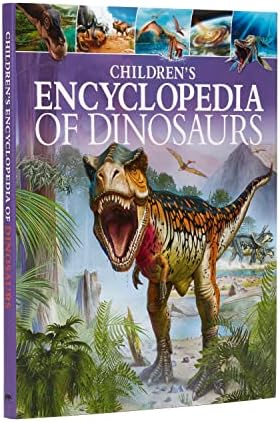
Navigating the vast landscape of children's nonfiction can feel overwhelming for parents and educators alike. Unlike fiction, where the primary goal is narrative engagement, reference nonfiction serves a functional purpose: it is a tool for discovery, a gateway to specialized knowledge, and a foundation for lifelong learning. Whether you are looking for a comprehensive encyclopedia to anchor a home library or a niche deep-dive into marine biology for a budding scientist, selecting the right reference book requires looking beyond a colorful cover. The goal is to find a resource that balances factual accuracy with an age-appropriate delivery method that encourages curiosity rather than fatigue.
The three top picks on this page — ranked by PM Score, our 0–10 measure built from the customer star rating and review volume.



| SELLER | SELLER SCORE | AMAZON FULFILLED | PRIME | FREE SHIPPING |
|---|---|---|---|---|
| Amazon.com | 9.68 | Yes | Yes | Yes |


| SELLER | SELLER SCORE | AMAZON FULFILLED | PRIME | FREE SHIPPING |
|---|---|---|---|---|
| Amazon.com | 9.68 | Yes | Yes | Yes |

| SELLER | SELLER SCORE | AMAZON FULFILLED | PRIME | FREE SHIPPING |
|---|---|---|---|---|
| Amazon.com | 9.68 | Yes | Yes | Yes |


| SELLER | SELLER SCORE | AMAZON FULFILLED | PRIME | FREE SHIPPING |
|---|---|---|---|---|
| Amazon.com | 9.68 | Yes | Yes | Yes |


| SELLER | SELLER SCORE | AMAZON FULFILLED | PRIME | FREE SHIPPING |
|---|---|---|---|---|
| Amazon.com | 9.68 | Yes | Yes | Yes |



| SELLER | SELLER SCORE | AMAZON FULFILLED | PRIME | FREE SHIPPING |
|---|---|---|---|---|
| Amazon.com | 9.68 | Yes | Yes | Yes |


Merriam-Webster's Word of the Day: 366 Elevating Utterances to Stretch Your Cranium and Tickle Your Humerus
| SELLER | SELLER SCORE | AMAZON FULFILLED | PRIME | FREE SHIPPING |
|---|---|---|---|---|
| Amazon.com | 9.68 | Yes | Yes | Yes |
Vocabulary enthusiasts and lifelong learners require this daily dose of linguistic wit to keep their mental faculties sharp. Merriam-Webster has managed to strike a rare balance here, offering a collection of 366 utterances that are designed to both expand your lexicon and provide a genuine laugh. Instead of a dry, academic slog, this book feels like a daily mental snack that challenges your brain while tickling your funny bone. It is the perfect bedside companion for anyone who wants to stop using the same tired adjectives and start embracing more sophisticated, colorful language. Whether you are prepping for an exam or just want to sound more articulate at dinner parties, this little volume delivers consistent intellectual stimulation.


| SELLER | SELLER SCORE | AMAZON FULFILLED | PRIME | FREE SHIPPING |
|---|---|---|---|---|
| Amazon.com | 9.68 | Yes | Yes | Yes |


The Universe: The Big Bang, Black Holes, and Blue Whales (Inquire & Investigate)
| SELLER | SELLER SCORE | AMAZON FULFILLED | PRIME | FREE SHIPPING |
|---|---|---|---|---|
| Amazon.com | 9.68 | Yes | Yes | Yes |
Curiosity often hits a wall when educational materials become too dry or disconnected from the wonders of the natural world. Nomad Press solves this by bridging the gap between cosmic mysteries and biological marvels in The Universe: The Big Bang, Black Holes, and Blue Whales. This Inquire & Investigate title manages to weave together the massive scale of deep space with the awe-inspiring presence of Earth's largest creatures. It is a refreshing approach to science reading that keeps a young mind engaged by jumping from the origins of time to the depths of the ocean. Instead of feeling like a standard textbook, it feels like a guided exploration designed to spark genuine questions about how our world and the cosmos function together.

| SELLER | SELLER SCORE | AMAZON FULFILLED | PRIME | FREE SHIPPING |
|---|---|---|---|---|
| Amazon.com | 9.68 | Yes | Yes | Yes |

The most critical factor in selecting nonfiction is matching the cognitive development of the child to the density of the information. Reference books generally fall into three tiers. For early learners (ages 3-6), look for 'concept books' that use high-contrast imagery and minimal text to introduce big ideas like space, animals, or the seasons. For elementary-aged children (ages 7-10), seek out books that utilize 'infographic' styles—heavy on diagrams, maps, and sidebars that break up large chunks of text. For middle-grade readers (ages 11+), the focus shifts toward narrative nonfiction and detailed topical encyclopedias that allow for independent research and nuanced understanding of complex subjects like history or physics.
In the world of reference, how information is presented is just as important as the information itself. A good reference book should act as a visual map. Look for books that employ high-quality photography, detailed anatomical illustrations, or clear, labeled diagrams. For younger children, the visuals should be the primary driver of engagement. For older children, the visuals should serve to clarify complex text. Avoid books with 'wall-of-text' layouts, which can intimidate young readers. Instead, prioritize books that use call-out boxes, timelines, and glossaries to help children navigate unfamiliar terminology without feeling lost.
Because science and history are constantly evolving, the 'shelf life' of a reference book is a vital consideration. When selecting a book on scientific topics—such as space exploration or paleontology—check the publication date. A book on the solar system from twenty years ago may contain outdated information regarding planetary compositions. Furthermore, look for books published by reputable educational presses or those that explicitly credit their researchers and subject-matter experts. A high-quality reference book will often include a bibliography or a 'further reading' section, which teaches children how to vet sources and continue their own independent investigations.
Decide whether you are building a foundational library or fueling a specific passion. Generalist reference books, such as large-scale encyclopedias or 'everything' books, are excellent for developing a broad base of general knowledge and are great for shared family reading. However, if a child shows a specific obsession—for example, with ancient Egypt or insects—a thematic deep-dive is often more rewarding. Specialized monographs provide a level of detail that general encyclopedias cannot match, allowing a child to move from being a casual observer to a true enthusiast of a specific field.
Finally, consider the physical reality of how the book will be used. Reference books are often handled frequently, flipped through rapidly, and kept on shelves for years. For younger children, sturdy board books or hardcovers are essential to withstand heavy use. For older students using books for school projects, a lightweight but durable paperback might be more practical for portability. Ensure the binding is strong enough to withstand being laid flat on a desk during intense study sessions.
Quick answers about Childrens Reference Nonfiction before you buy.
Share of top-ranked products by brand, from our rankings.
We compared Childrens Reference Nonfiction products using product details and customer ratings to identify the best options in the reference. The top brands in this selection include merriam-webster, nomad press (vt) and arcturus editions and dk children.
From that comparison we shortlisted the top 10 Childrens Reference Nonfiction for this page. The sellers featured here include and amazon.com.
We aim to help you find the right books products for your needs and save you time when choosing which Childrens Reference Nonfiction to buy.
Compare the top 10 picks at a glance — select a column to sort.


