Defining Your Style Profile
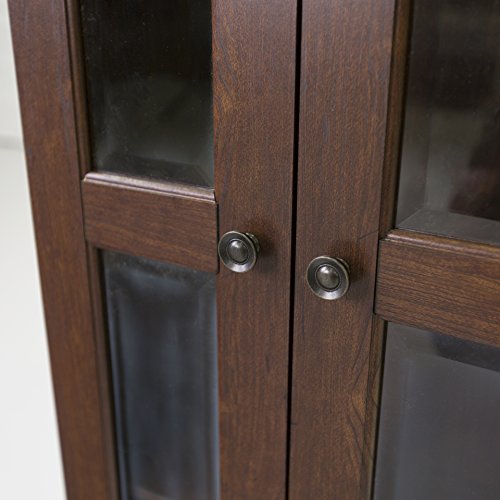
The first step in your search is determining the architectural language of your dining area. If your home leans toward traditional or farmhouse aesthetics, you will likely gravitate toward solid wood constructions with raised paneling, crown molding, and ornate hardware. These pieces command attention and feel permanent. Conversely, if you occupy a contemporary or transitional space, look for sleek silhouettes, glass-front doors with minimal framing, and integrated lighting that emphasizes clean lines. Avoid choosing a piece that clashes too violently with your existing furniture. Instead, aim for a design that complements the wood tones or metal finishes already present in your room.
Glass Configuration and Visibility
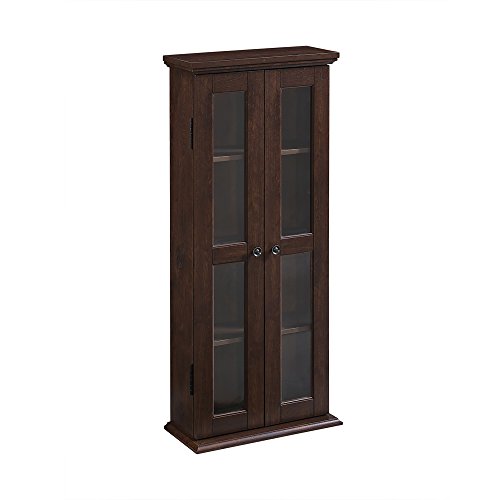
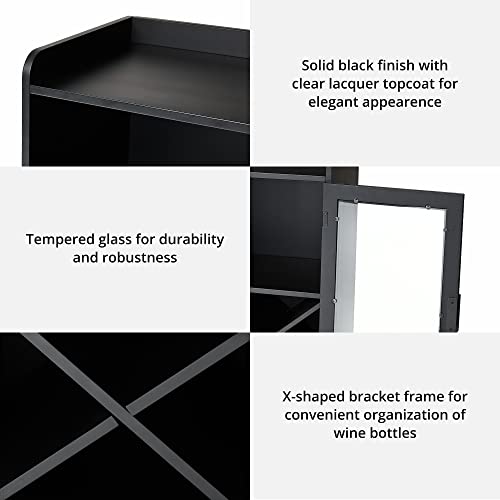
The primary function of a china cabinet is display, which makes the glass selection critical. There are three main styles to consider: fully enclosed glass cabinets, which protect your collection from dust while providing a clear view, and open-shelving hybrids that offer a more relaxed, buffet-style look. For maximum impact, look for cabinets featuring mullion glass (glass with decorative wooden grids) for a classic feel, or seamless tempered glass for a modern look. Pay close attention to the thickness of the glass. High-quality cabinets use tempered glass to ensure safety and durability, especially when storing heavy stoneware or thick crystal.
Storage Versatility and Internal Layout
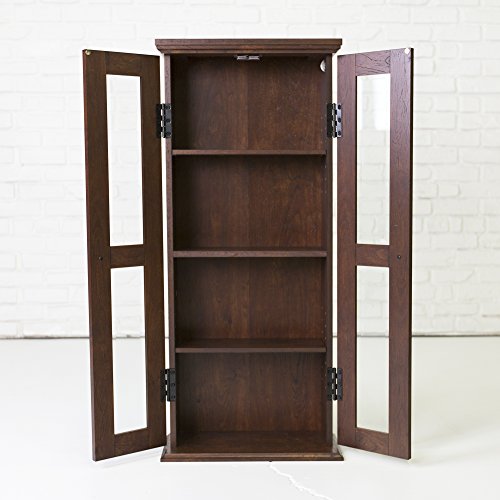
A common mistake is focusing solely on the exterior while neglecting the interior organization. A high-quality china cabinet should offer a mix of display space and hidden storage. The upper section is typically dedicated to glass shelving for visual appeal, while the lower section often features solid doors and adjustable shelving for less attractive items like linens, serving platters, or seasonal decor. When evaluating a model, check if the shelves are adjustable. Being able to change the height between shelves is vital if you own a mix of tall pitchers and shallow dessert plates. Additionally, look for deep drawers in the base section, which are essential for organizing silverware or table runners.
Lighting and Display Enhancements
Lighting can transform a standard cabinet into a museum-quality display case. Integrated LED lighting is the gold standard in modern cabinetry because it provides even illumination without the heat buildup that can damage delicate finishes or antique wood. Look for cabinets that offer adjustable lighting directions—such as puck lights for focused spots or strip lighting for a soft, ambient glow. If a cabinet does not come with built-in lighting, ensure there is a discreet way to install battery-operated or plug-in accent lights without creating a cluttered cord situation.
Material Integrity and Scale
Finally, consider the scale of the piece relative to your room. A massive, dark-wood hutch can overwhelm a small dining area, while a spindly modern cabinet may look lost in a grand dining hall. Always measure your ceiling height and floor space before purchasing. Regarding materials, solid hardwoods like oak, cherry, or walnut offer superior longevity and the ability to be refinished over decades. While high-quality veneers and engineered woods are more budget-friendly and less prone to warping in humid environments, they may not offer the same heirloom-quality lifespan as solid timber constructions.