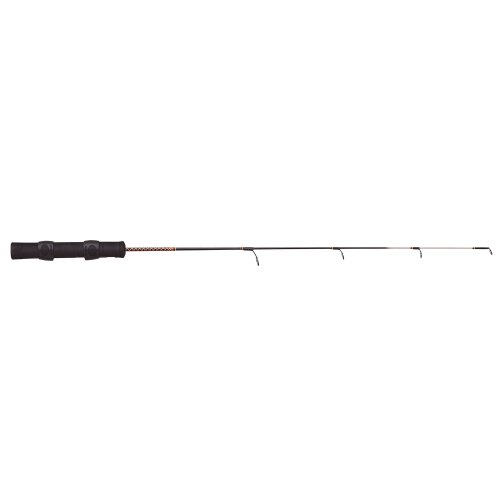
Understanding the Hybrid Mechanics
The defining characteristic of a combination rod is its adaptability. Most models in this category are designed to accommodate different reel types or to offer a specific range of action that works for multiple techniques. When shopping, you must first decide which type of versatility you actually need. Are you looking for a rod that can handle both light finesse work and medium-weight lures, or are you looking for a rod that can transition between a spinning reel and a baitcasting setup? The former focuses on 'action range,' while the latter focuses on 'attachment versatility.' Make sure the rod's construction supports your primary intended method while providing the secondary capability you desire.
Evaluating Action and Power
Because a combination rod is designed to do more than one thing, finding the 'sweet spot' in action and power is the most critical decision you will make. A rod that is too stiff will fail at finesse tasks, while a rod that is too soft will lack the backbone needed to set a hook on larger fish.
For most general-purpose users, a Medium Power rod with a Moderate-Fast Action is the gold standard. This configuration provides enough flexibility to absorb the shock of a strike during light casting but retains enough rigidity to work a lure through cover. If you intend to use the rod primarily for topwater lures or jigging, look for a slightly faster action. If you are targeting bottom-dwellers or using heavier sinkers, prioritize a rod with a higher power rating to ensure you can pull fish away from structure.
Material Composition and Durability
Shakespeare has a long history of utilizing various composite and graphite blends. For combination rods, the material choice dictates how much 'feel' you will get through the handle. Graphite-heavy rods offer superior sensitivity, allowing you to feel subtle nibbles, which is vital if one of your intended uses is finesse fishing. However, composite rods (a blend of fiberglass and graphite) are often more durable and can withstand the varied stresses of switching between different fishing styles and environments. If you are prone to bumping your gear against rocks or boat hulls, a composite blend offers a higher degree of resilience against breakage.
Guide Quality and Reel Seat Security
Since these rods are meant to be versatile, they will likely see more frequent transitions and varied line types. Pay close attention to the quality of the guides. You want smooth, corrosion-resistant guides that can handle both braided lines and monofilament without fraying. Furthermore, because you may be switching reels or adjusting your setup frequently, the reel seat must be exceptionally secure. A loose or flimsy reel seat will ruin the rod's accuracy and can lead to frustrating mechanical failures mid-fight. Look for ergonomic reel seats that provide a firm grip and a locking mechanism that feels substantial.
Final Recommendation Logic
To make your final choice, follow this logic: First, define your 'primary' target species. Second, choose a rod length that balances casting distance with maneuverability (typically 6'6" to 7'0" for general use). Third, select a power rating that matches your heaviest intended lure. If you find a rod that hits all three of these marks while offering the specific reel compatibility you need, you have found a winning combination tool that will serve you across multiple seasons and environments.