Ergonomics and Lateral Support
The most critical factor in selecting a UTV seat is how it manages your body position during aggressive maneuvers. In a high-performance vehicle, lateral support is paramount. You want seats that feature bolstered sides—often referred to as 'wings'—which prevent your torso from sliding side-to-side when the machine tilts or turns sharply. If a seat is too flat, you will find yourself constantly using your arms to brace against the steering wheel, leading to premature fatigue. Look for designs that offer a deep bucket shape, which centers your weight and keeps you locked into the optimal driving position.
Material Durability and Weather Resistance
UTVs are inherently exposed to the elements, meaning your seats must be built to withstand UV rays, moisture, and abrasive dirt. When evaluating materials, prioritize high-denier fabrics or marine-grade vinyl. Marine-grade options are particularly effective because they are treated to resist mold, mildew, and fading under intense sunlight. Avoid cheap, thin plastics or low-grade synthetics that can crack after a single season of exposure. Furthermore, consider the breathability of the material. While waterproof is good for cleaning, a seat that traps too much heat can make long rides unbearable in summer months. Some premium options utilize perforated textures to allow for better airflow.
Foam Density and Vibration Dampening
A common mistake is choosing a seat that feels incredibly soft in the showroom but bottoms out on the first rock crawl. For UTV applications, you need high-density, closed-cell foam. Closed-cell foam is superior because it does not absorb water (preventing the 'sponge effect' after a rainstorm) and maintains its shape over thousands of impacts. The density of the foam dictates how much vibration is transferred from the chassis to your spine. A seat that is too soft will cause you to hit the hard frame of the vehicle during heavy landings, while a seat that is too stiff will leave your body feeling rattled after an hour of riding. Look for multi-layered foam constructions that offer a balance of initial comfort and long-term structural integrity.
Installation Compatibility and Mounting Hardware
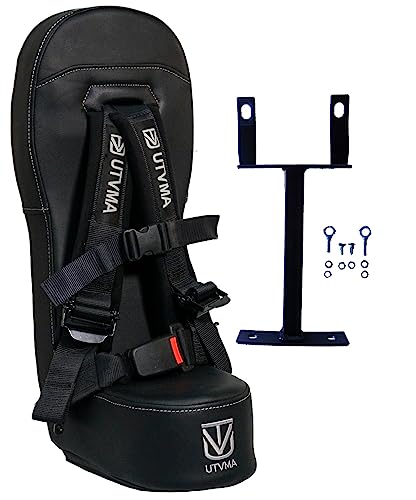
When purchasing a complete seat assembly, ensure the mounting pattern is specifically engineered for your vehicle's chassis. While some seats are marketed as 'universal,' these often require significant modification, drilling, or custom brackets that can compromise the structural integrity of your roll cage or floor pan. A true 'complete seat' should include all necessary mounting hardware and bolt patterns that align with your factory mounting points. This ensures a secure connection that won't vibrate loose during high-frequency oscillations. Always verify if the seat is designed for a single-rider setup or if it is part of a coordinated passenger system to ensure uniform ergonomics for everyone in the vehicle.
Safety Integration
Finally, consider how the seat interacts with your safety harness. A high-quality UTV seat should have dedicated slots or cutouts for multi-point harnesses. These cutouts should be positioned so that the straps sit flush against your body, preventing the harness from rubbing against your shoulders or hips. If you plan on upgrading to a 4-point or 5-point harness, ensure the seat back is rigid enough to support the tension of the straps without bowing.