Prioritize Ergonomic Surface Area
The most significant hurdle with heart-shaped desks is the non-traditional geometry. Unlike a standard rectangular desk where the corners provide ample space for peripheral devices, a heart shape often features tapered edges or a central indentation. When shopping, you must consider the 'effective workspace.' Measure the widest part of the heart to ensure it can accommodate your monitor, keyboard, and mouse without feeling cramped. If you use a large ultrawide monitor, a small heart desk might cause the screen to overhang the edges, leading to instability or a cluttered look. Look for designs that offer a deep center point, which allows you to sit closer to the screen while still having room for your wrists and forearms.
Material Durability and Weight Distribution
Because of the unique curves, the structural integrity of a heart desk depends heavily on the materials used. Solid wood options provide the most stability and a premium feel, but they are often heavier and more expensive. If you are looking for something more budget-friendly, engineered wood or MDF (Medium Density Fiberboard) is common. However, ensure the desk features a sturdy frame—preferably metal—to prevent the 'wobble' that can occur with curved furniture. A desk that isn't well-balanced can become a nuisance during typing or gaming sessions. Pay close attention to the thickness of the desktop. A thin, curved surface is more prone to bowing under the weight of heavy computer towers or multiple monitors.
Cable Management in Curved Designs
Standard desks often come with built-in grommets or cable trays designed for straight edges. With a heart-shaped desk, managing the inevitable tangle of power cords and HDMI cables can be trickier due to the unconventional shape. Look for models that incorporate integrated cable management holes or a modesty panel that hides the wiring. If the desk is purely decorative and lacks these features, you should budget for additional accessories like adhesive cable clips or cord sleeves to ensure the aesthetic charm of the heart shape isn't ruined by a mess of black wires trailing across the floor.
Style Integration and Scale
Before purchasing, consider how the desk fits into your existing decor. Heart desks vary wildly in style: some are 'kawaii' and pastel-colored, perfect for a soft aesthetic. Others are sleek and minimalist, using dark woods or metallic accents for a more sophisticated look. Scale is equally important. A large, heavy heart desk can overwhelm a small bedroom, while a tiny desk might look lost in a large studio. Use painter's tape to outline the dimensions of the heart on your floor before ordering. This helps you visualize the 'footprint' of the curves and ensures you have enough clearance to pull out your chair comfortably without hitting other furniture.
Storage and Functionality
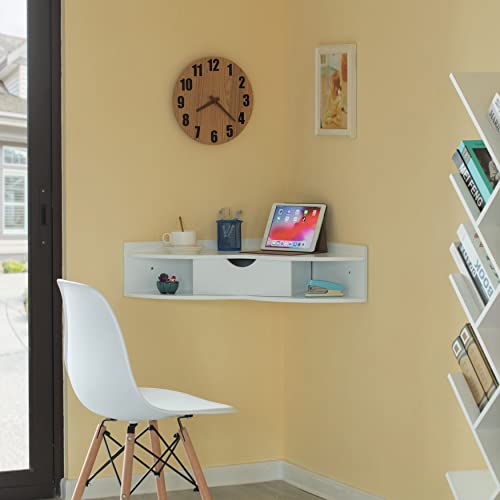
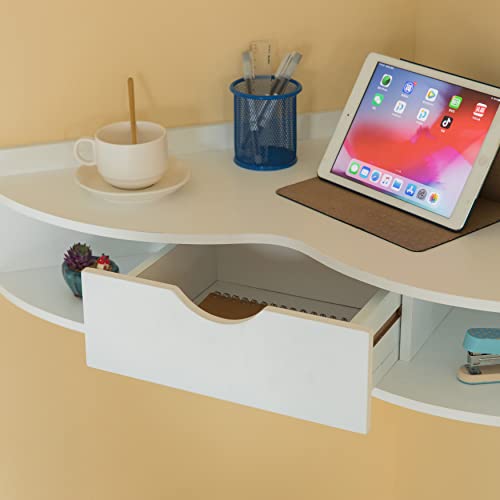
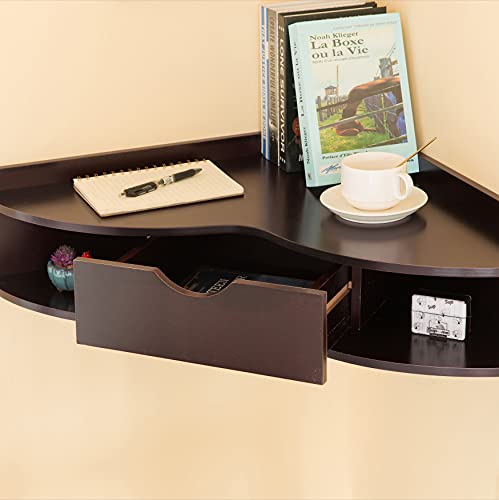
Finally, decide how much storage you actually need. Many heart-shaped desks are designed as minimalist writing surfaces with little to no drawer space. If you need to store notebooks, external hard drives, or stationery, look for models that incorporate small side drawers or floating shelves. Just be aware that adding storage to a curved desk can sometimes alter its silhouette, so ensure the storage components complement the heart shape rather than clashing with it.