Understanding the Anatomy of Implant Maintenance
When selecting a flosser for dental implants, you must first understand the 'sulcus'—the small gap between the implant abutment and the gum tissue. Unlike natural teeth, which have a slight mobility that allows floss to slide in and out, implants are fixed rigidly into the bone. This means you need tools that can clean the area without applying excessive lateral pressure that could disturb the surrounding tissue. Look for products that prioritize 'interproximal' cleaning—the space between two implants or between an implant and a natural tooth—where plaque tends to accumulate most aggressively.
Key Decision Factors: Manual vs. Water-Based
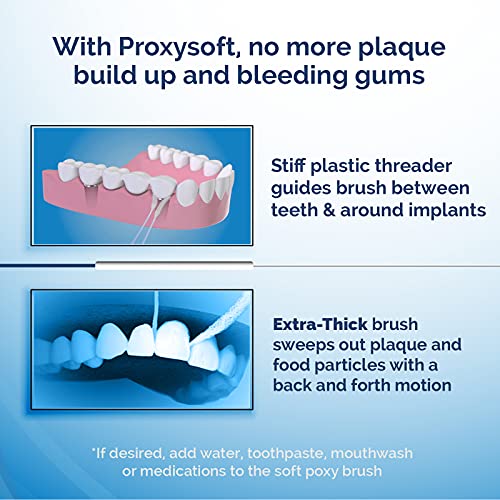
The first major decision is choosing between manual interdental tools and water flosser systems. Manual options often include specialized 'implant floss' which features a thicker, textured thread or a tapered design to navigate the specific contours of an abutment. These are excellent for targeted, tactile cleaning. On the other hand, water flossers use a pressurized stream of water to flush out bacteria from deep within the sulcus. For many implant patients, a combination approach is most effective: using a water flosser for daily maintenance and a manual specialized flosser for precision cleaning in hard-to-reach crevices.
Material Integrity and Softness
The material of your flosser is critical for preventing gingival recession. If you are opting for manual interdental brushes or picks, ensure they feature soft, high-quality bristles. Stiff bristles can scratch the surface of the implant abutment or cause micro-trauma to the gums. If you are using specialized floss, look for 'tape' style floss rather than thin string. A wider, flatter profile can wrap more effectively around the cylindrical shape of an implant, providing a better cleaning surface area. Avoid any products that feel abrasive to the touch, as the goal is gentle disruption of biofilm, not mechanical scrubbing.
Design Ergonomics and Accessibility
Dental implants are often located in the posterior (back) of the mouth, making them difficult to reach with standard dexterity. When shopping, consider the handle design of interdental picks or the nozzle versatility of water flossers. An ergonomic, non-slip grip is vital for maintaining control. If you have limited manual dexterity, a water flosser with a pivoting head or a specialized 'orthodontic' tip can significantly improve your ability to maintain oral hygiene without frustration. The best tool is the one you can use consistently and accurately every single day.
Recommendation Logic
When deciding on your final purchase, follow this hierarchy: If you have high sensitivity or significant inflammation, start with a low-pressure water flosser to soothe the area. If you have tight contacts between implants, invest in tapered, soft-bristled interdental brushes. For those with wide gaps (diastemas) between implants, a combination of a water flosser and a thick, textured implant tape will provide the most comprehensive coverage. Always prioritize products that emphasize 'non-traumatic' cleaning to ensure the long-term stability of your dental investment.