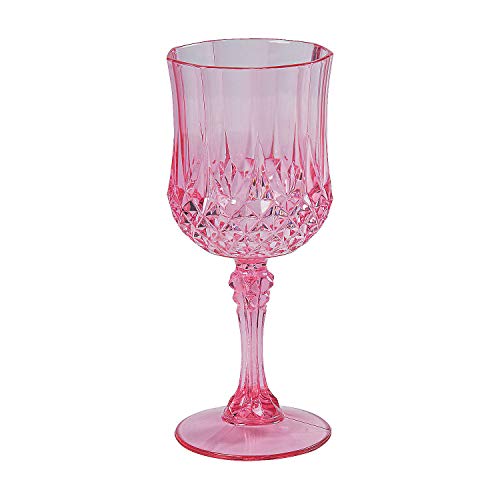
Material and Clarity: The Visual Impact
The first decision factor in selecting disposable stemware is the material. Most options fall into two categories: polystyrene and high-grade acrylic or PET. Polystyrene is lightweight and cost-effective, making it ideal for high-volume casual gatherings. However, for formal events, you should prioritize high-clarity materials. Look for 'crystal-clear' descriptions. Premium disposables are engineered to mimic the refractive index of real glass. This is crucial because the visual appeal of a red wine or a sparkling cocktail relies heavily on how light interacts with the liquid through the vessel. If the material appears cloudy or milky, it will instantly cheapen the look of your table setting.
Stem Strength and Structural Integrity
The 'stem' in stemware is its most vulnerable point. When browsing options, consider the thickness of the stem and the stability of the base. A common issue with low-quality disposable glasses is a top-heavy design that causes the glass to tip easily when filled. Look for designs with a weighted base or a wider foot to provide better balance. Furthermore, ensure the connection point where the stem meets the bowl is reinforced. If you are serving heavy liquids like full-bodied reds or cocktails with large ice spheres, a flimsy stem can snap under the weight, leading to spills and a ruined aesthetic.
Rim Profile and Mouthfeel
For true connoisseurs, the rim of the glass is just as important as the bowl. In traditional glassware, a tapered, thin rim allows the liquid to hit the palate smoothly. While disposable plastics cannot match the microscopic thinness of fine lead crystal, you can still seek out 'rolled rims' or 'rim-finished' designs. Avoid glasses with thick, blunt edges, as these can feel awkward during sipping and may even be uncomfortable for guests. A smoother, more refined rim enhances the drinking experience and makes the transition from glass to plastic feel much less jarring.
Capacity and Occasion Suitability
Not all stemware is created equal, and choosing the wrong volume for your drink can lead to overflow or a diminished experience. If your menu focuses on wine, select a glass with a wider bowl to allow for aeration. For champagne or sparkling wine, a flute-style silhouette is necessary to preserve carbonation. If you are serving cocktails, look for a coupe or a larger martini-style shape. Always check the fluid ounce capacity. A glass that is too small for a standard pour will look crowded, while one that is too large can make a small serving look unappealing.
Recommendation Logic
When making your final selection, use this hierarchy of needs: If the event is a wedding or formal dinner, prioritize Clarity and Rim Quality above all else. If the event is a large-scale outdoor festival or a high-traffic cocktail hour, prioritize Durability and Stackability to ensure ease of transport and minimize breakage. For budget-conscious hosts who still want a touch of class, look for Hybrid Options—glasses that offer the aesthetic of a wine glass but use a more resilient, shatter-resistant polymer.