Prioritize Processing and Purity
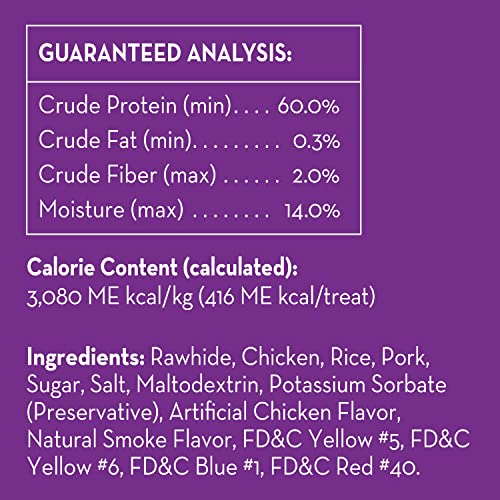
The most critical factor when selecting rawhide rolls is how they were processed. Traditional rawhide can sometimes be treated with harsh chemicals, such as bleach or artificial dyes, to achieve a bright white color. When shopping, look for rolls that emphasize natural processing. Ideally, you want products that are minimally processed and free from artificial colorants, fragrances, or chemical preservatives. A roll that looks 'too perfect' or unnaturally white may have undergone heavy chemical bleaching, which can be irritating to a dog's digestive tract. Opt for rolls that have a more natural, off-white, or cream-colored appearance, as these are often safer for long-term consumption.
Consider Texture and Chew Intensity
Different dogs have different jaw strengths and chewing styles. If you have a small breed, such as a Terrier or a Pomeranian, a thick, dense rawhide roll might be too difficult to break down, potentially leading to choking hazards if large pieces are swallowed whole. For smaller dogs, look for rolls that are slightly thinner or more pliable. Conversely, for large breeds like Labradors or German Shepherds, a soft roll will be destroyed in minutes. These power chewers require high-density, tightly wound rolls that offer significant resistance. The density of the roll dictates how long the 'reward' lasts. A tightly compressed roll provides much longer stimulation than a loose, airy one.
Size and Shape for Safety
The physical dimensions of the roll play a vital role in safety. A roll should be large enough that it cannot be swallowed in its entirety, yet shaped in a way that allows the dog to grip it effectively. Some rolls are designed to be tapered, making them easier for smaller mouths to manage, while others are uniform cylinders. Always match the diameter of the roll to your dog's mouth size. A common mistake is providing a roll that is too small, which increases the risk of the dog gulping down large, unchewed chunks. A safer approach is to choose a roll that is wider than the dog's gape, forcing them to work the material down gradually.
Monitor Digestibility and Ingredients
While rawhide is a byproduct of the meat industry, the quality of the hide matters. Look for rolls that list minimal ingredients. The best rolls are often those that are simply hide and perhaps a natural flavoring like beef or marrow. Avoid products that include 'fillers' or additives intended to extend shelf life, as these can cause stomach upset. Additionally, consider the 'cleanliness' of the product—ensure the rolls are free from visible debris or an unpleasant odor, which can indicate poor storage or low-quality sourcing. High-quality rolls should have a mild, natural scent rather than a pungent or chemical smell.
The Role of Dental Health
One of the primary benefits of using stick rawhide rolls is the mechanical cleaning they provide. As a dog gnaws on the textured surface of the roll, the friction helps scrape away plaque and tartar buildup from the teeth and gums. When selecting a roll, consider the surface texture. A slightly rugged or uneven surface is often more effective for dental hygiene than a perfectly smooth one. Using these rolls as a daily or weekly supplement to a dental chew routine can significantly assist in maintaining oral hygiene, provided they are used under supervision.