Scale and Compatibility: The Golden Rule
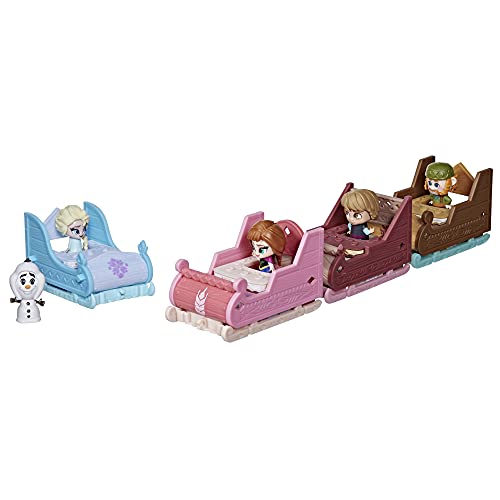
The most critical factor when purchasing a doll vehicle is scale. Unlike generic toy cars, doll vehicles are designed to accommodate specific figures. If the vehicle is too small, the dolls won't fit. If it is too large, the scale of the play environment feels off-balance. Before purchasing, identify the size of the dolls the child already owns. Most playsets fall into two categories: miniature scales meant for small fashion dolls and larger, more robust scales meant for chunky, toddler-friendly figures. Always ensure that the interior seating, cockpit, or bed of the vehicle is wide enough to accommodate the dolls' limbs and accessories without causing them to tip over.
Material Durability and Safety
Because doll vehicles are often used in high-energy play—think racing, crashing, or being transported in sandboxes—material choice is paramount. High-quality plastic is the industry standard for a reason: it is lightweight, easy to clean, and can be molded into complex shapes like steering wheels and doors. However, look for 'heavy-duty' construction in the chassis and wheels. For younger children, avoid sets with small, detachable parts that could pose a choking hazard. For older children, look for sets that incorporate mixed media, such as fabric interiors for camper vans or realistic rubber tires, which provide a more tactile and premium play experience.
Interactive Features and Kinetic Play
A great playset is defined by what it *does*. A static vehicle is merely a prop, but a dynamic vehicle is an engine for imagination. Look for playsets that offer kinetic movement: doors that swing open, hoods that lift to reveal 'engines' or storage, and wheels that roll smoothly on various surfaces. Advanced sets may include sound effects, lights, or even motorized components that allow the vehicle to move autonomously. If you are looking for a gift that encourages long-term engagement, prioritize sets with 'modular' features—such as a camper van that transforms into a campsite or a car carrier that can be unstacked—as these provide multiple modes of play in a single package.
Theme and Narrative Depth
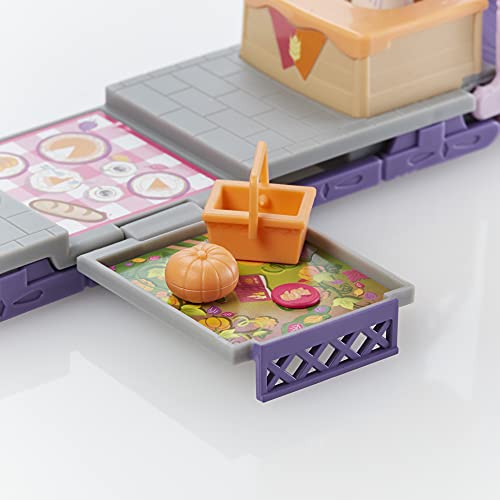
When selecting a vehicle, consider the 'world' it builds. A beach-themed convertible suggests a summer vacation narrative, while a heavy-duty construction truck suggests a building and problem-solving scenario. The best playsets come with themed accessories—tiny suitcases for a travel van, a miniature toolkit for a mechanic's truck, or a small picnic basket for a van. These small details are what bridge the gap between a simple toy and a comprehensive storytelling tool. Think about the child's current interests: are they in a phase of nurturing (requiring a vehicle that can carry 'pets' or babies) or an adventurous phase (requiring off-road capability and rugged designs)?
Finally, consider the practicalities of the home environment. Large vehicle playsets, such as multi-car garages or massive mobile homes, require significant floor space. If storage is a concern, look for 'compact' or 'collapsible' designs that can be tucked away in a toy bin after play. Conversely, if the playset is intended to be a centerpiece of a playroom, a larger footprint allows for more detailed, multi-level interaction.