Prioritize the Mineral Profile
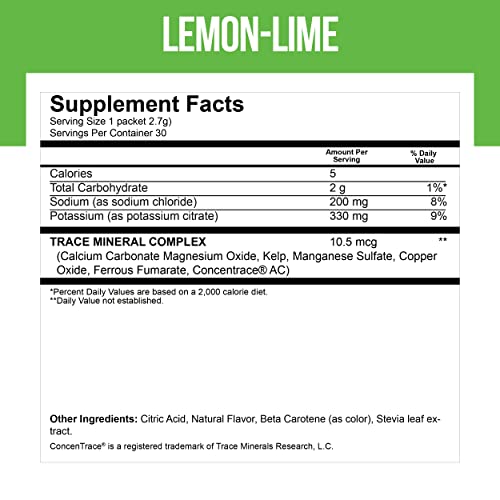
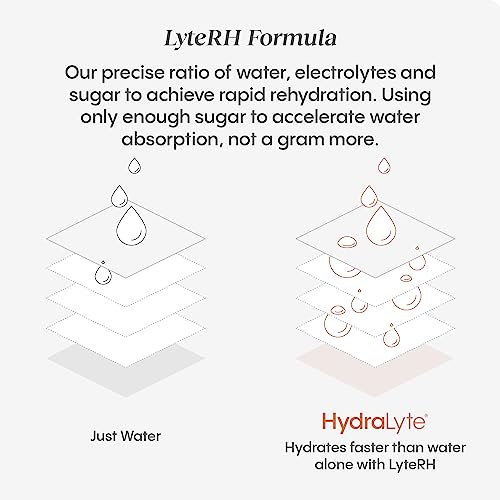
Not all electrolyte tablets are created equal. The primary function of these products is to replace the salts lost through sweat or illness, so you must look closely at the specific mineral composition. A high-quality tablet should ideally contain a balanced blend of sodium, potassium, magnesium, and calcium. Sodium is the heavy lifter for fluid retention and nerve signaling, but if a tablet is too high in sodium without adequate potassium, you may experience an imbalance. Magnesium is crucial for muscle relaxation and preventing cramps, while calcium supports bone health and muscle contractions. When comparing options, look for tablets that offer a significant milligram count of these key minerals rather than those that rely on a 'proprietary blend' which often hides low dosages of expensive ingredients.
Evaluate Sugar and Caloric Content
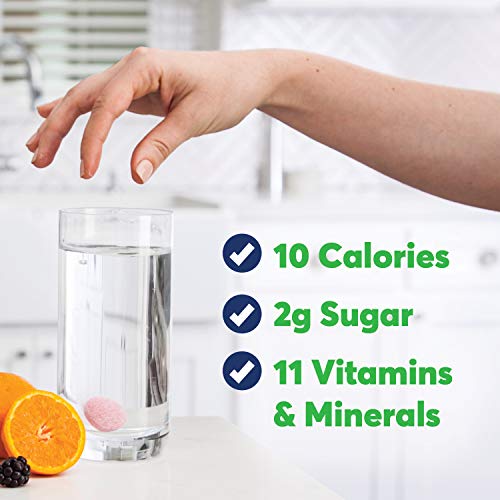
One of the biggest mistakes consumers make is assuming all electrolyte drinks are 'healthy.' Many tablets are designed for high-intensity endurance athletes who actually require fast-acting glucose to fuel their movement. However, if your goal is daily hydration or weight management, you should seek out zero-sugar or keto-friendly formulations. Pay attention to the type of sweetener used. Natural alternatives like stevia or monk fruit are excellent for avoiding the insulin spikes associated with cane sugar, but some users find they leave a bitter aftertaste. If you are looking for a clean profile, aim for tablets that use erythritol or simply rely on natural fruit essences for flavor without the heavy caloric load.
Check for Functional Additives
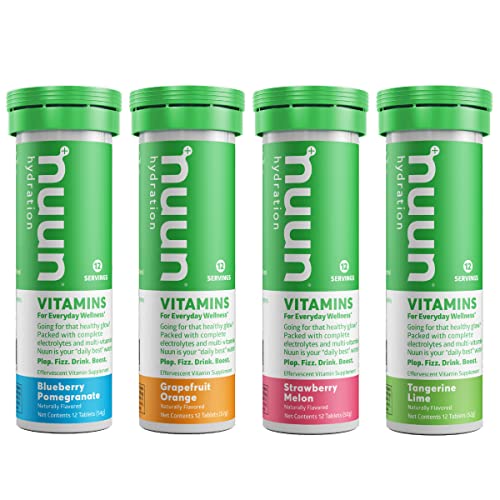
Modern electrolyte tablets often go beyond simple rehydration by incorporating 'functional' ingredients designed to enhance performance or recovery. If you are an endurance athlete, you might look for tablets infused with branched-chain amino acids (BCAAs) to aid muscle repair. If you struggle with midday fatigue, look for formulations containing Vitamin B-complex or caffeine for a gentle energy lift. For those focused on gut health, some premium tablets include prebiotic fibers or L-glutamine. Decide whether you want a 'pure' electrolyte replacement or a multi-purpose wellness supplement. Trying to do too much in one tablet can sometimes lead to a cluttered ingredient list that is harder for your body to process efficiently.
Consider Solubility and Portability
Since the primary benefit of a tablet is convenience, the physical experience of using it matters. High-quality tablets should dissolve quickly and completely in water without leaving behind gritty residue or excessive sediment at the bottom of your bottle. Furthermore, consider the packaging. While individual blister packs are great for preventing moisture from ruining the tablets in a gym bag, bulk tubes are more cost-effective for home use. Always check if the tablets are designed for standard water bottles or if they require specific volumes of liquid to achieve the intended flavor and mineral concentration. A tablet that tastes overly salty in a small glass but perfect in a large liter bottle requires a change in your hydration habits.
Summary Recommendation Logic
To make your final decision, categorize your primary need. For intense athletic training, prioritize high sodium and glucose-integrated tablets. For daily wellness and weight management, choose zero-sugar, stevia-sweetened options with a focus on magnesium. For travel and convenience, look for individually wrapped, fast-dissolving tablets with a clean, minimal ingredient list.