Understanding Material Composition and Coating
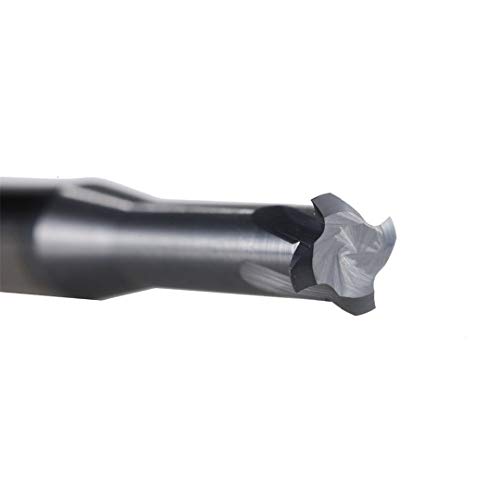
The first decision factor in selecting an end mill is the substrate. Most high-performance mills are crafted from Solid Carbide due to its exceptional hardness and ability to withstand high heat. However, for softer applications or budget-conscious prototyping, High-Speed Steel (HSS) remains a viable option. The real magic, however, lies in the coating. Coatings like TiAlN (Titanium Aluminum Nitride) are essential for high-temperature stability when machining hardened steels, while AlTiN provides even better oxidation resistance. If you are working with aluminum, look for uncoated carbide or specialized ZrN (Zirconium Nitride) coatings that prevent 'built-up edge'—the phenomenon where molten material welds itself to the cutting edge, destroying the finish.
Flute Count and Geometry
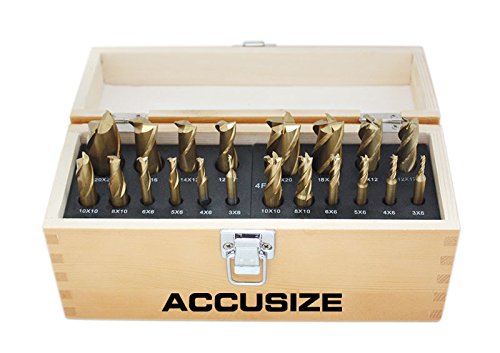
The number of flutes on an end mill fundamentally changes how it handles chip evacuation and surface finish. A 2-flute or 3-flute design features larger 'gullets' (the valleys between flutes), which allow for massive chip clearance. This makes them the gold standard for aluminum and non-ferrous metals, where high speeds generate large volumes of soft, gummy chips that must be evacuated quickly to prevent clogging. Conversely, a 4-flute or 6-flute design offers more cutting edges, which increases tool rigidity and provides a superior surface finish on steels and alloys. However, because the flutes are narrower, they are prone to chip packing if used in deep pockets or with high feed rates in soft materials.
Cutting Direction: Upcut vs. Downcut vs. Compression
Directionality is a critical consideration for material integrity. Upcut end mills pull chips upward and away from the workpiece. They are excellent for deep pocketing and chip evacuation but can lift the material, potentially causing vibration or tearing the top surface. Downcut end mills push the material downward, which provides a beautiful top-surface finish and stabilizes the workpiece, but they struggle with chip evacuation in deep slots. For laminate materials or composites where you need a clean edge on both the top and bottom, a Compression End Mill is the professional choice. These tools use a dual-helix geometry to pull material upward from the bottom and downward from the top simultaneously, neutralizing the tendency to splinter.
Corner Radius and Shank Specifications
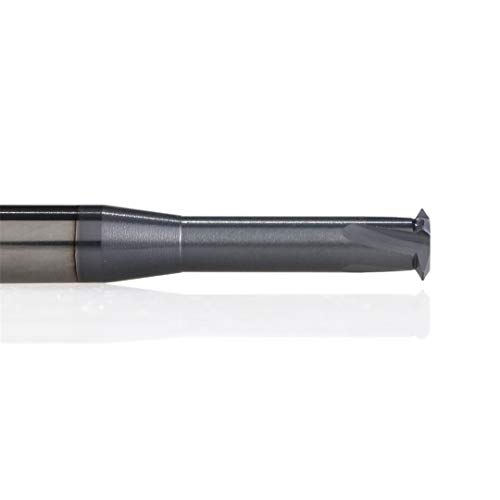
Finally, consider the geometry of the tool tip. A square end mill is standard for creating sharp internal corners, but it is also the most prone to chipping at the corners under heavy loads. If your application allows, a corner radius (bull-nose) end mill distributes stress more evenly, significantly extending tool life and reducing chatter. Additionally, always ensure your shank diameter matches your collet or holder capacity. When moving into high-speed machining, consider tapered shanks or specialized holders that minimize runout, as even a few microns of eccentricity can lead to premature tool failure and poor dimensional accuracy.