Identify Your Desired Formula and Texture
The first decision in selecting an eyeliner is determining the physical form of the product. Each format serves a distinct purpose in a makeup routine:
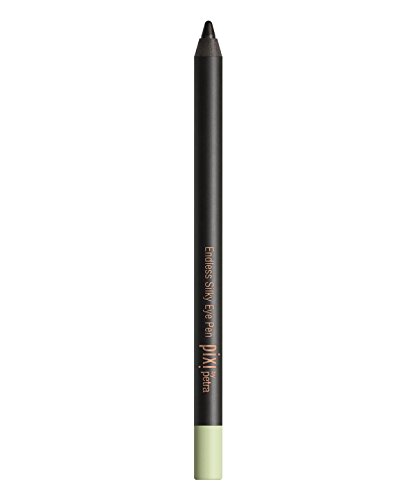
- Pencil Liners: These are the workhorses of the category. They range from soft, creamy kohl pencils—ideal for smudging along the lash line for a smoky effect—to hard, precise pencils used for tightlining. If you have sensitive eyes, look for 'soft-glide' formulas that require minimal pressure.
- Liquid Liners: If your goal is a sharp, graphic wing, liquid is the gold standard. These typically come with either a felt-tip applicator (better for control) or a brush tip (better for ultra-fine lines). Liquid liners offer the highest level of pigment intensity and water resistance.
- Gel/Pot Liners: Usually sold in small jars, these require a separate angled brush. Gel liners provide the best of both worlds: the waterproof longevity of a liquid with the blendability of a pencil. They are excellent for creating structured, professional looks.
- Eye Felt-Tip Pens: A hybrid between a marker and a liquid liner, these are incredibly beginner-friendly due to the built-in applicator, making them ideal for quick, daily application.
Consider Longevity and Skin Type
Eyeliner performance is heavily dictated by your skin's natural oil production. If you struggle with 'raccoon eyes' or liner that migrates into the crease of your eyelid, you must prioritize long-wear or waterproof formulas. These products use specialized polymers that create a film over the skin, resisting sweat and sebum. Conversely, if you have extremely dry or mature skin, avoid overly matte or 'set-and-forget' liquid formulas that can crack or emphasize fine lines. Instead, opt for creamier pencils or gel formulas that retain a slight flexibility on the lid.
Pigment Density and Color Versatility
When evaluating a liner, look closely at the pigment payoff. A high-quality liner should deliver a saturated color in a single stroke. For dark liners (blacks and deep browns), look for 'carbon black' or high-density pigments that don't look streaky. If you are looking for colored liners—such as navy, emerald, or plum—ensure the formula is opaque enough to stand out against your natural eye color. A common pitfall in budget liners is a 'sheer' finish that requires multiple layers, which can lead to buildup and uneven texture.
The ease of application is often determined by the applicator. For beginners, a felt-tip pen offers the most stability. For those looking to master advanced techniques like 'kitten wings' or intricate graphic liner, a fine-point brush tip or a high-quality gel pot is essential. Always consider whether you will need to purchase additional tools, such as an angled synthetic brush, to get the most out of a pot-based eyeliner. If you prefer a streamlined routine, a multi-use pencil that can be used on both the upper and lower lash lines is the most efficient choice.