Understanding Soluble vs. Insoluble Fiber
The most critical decision factor when selecting a stick pack is the ratio of soluble to insoluble fiber. Soluble fiber dissolves in water to form a gel-like substance, which is excellent for slowing digestion, promoting satiety, and helping to manage cholesterol levels. Insoluble fiber, on the other hand, adds bulk to the stool and helps food pass more quickly through the stomach and intestines. Most high-quality stick packs will feature a blend of both. If your goal is digestive regularity and 'moving things along,' look for a formula with a healthy dose of insoluble fiber like psyllium husk. If you are focusing on blood sugar stability and appetite control, prioritize soluble fibers such as acacia, inulin, or pectin.
Solubility and Texture Constraints
One of the biggest complaints regarding fiber supplements is the 'gritty' or 'sludge-like' texture that can occur if the powder isn't formulated correctly. Because stick packs are often consumed on the go—sometimes mixed into water or a quick shake—the solubility of the powder is paramount. Look for products that specify 'instantized' or 'highly soluble' ingredients. For instance, acacia fiber is renowned for its smooth, almost tasteless profile and ease of mixing, making it ideal for those who dislike the thick consistency of psyllium. Conversely, if you prefer a thicker drink that feels more like a meal replacement, a psyllium-based stick pack may be more satisfying.
Prebiotic Benefits and Gut Microbiome Support
Modern fiber supplements have evolved beyond simple bulking agents. Many are now formulated as 'prebiotics.' A prebiotic is a type of fiber that specifically feeds the beneficial bacteria in your gut. When shopping, check the ingredient list for fermented fibers like chicory root, inulin, or guar gum. A stick pack that combines fiber with prebiotic ingredients provides a dual benefit: it aids mechanical digestion while simultaneously nourishing your microbiome. This holistic approach can lead to better long-term gut health rather than just a temporary fix for regularity.
Flavor Profiles and Sweetener Choices
Since stick packs are intended to be mixed with liquids, the flavor profile is a major factor in long-term adherence. Some brands offer unflavored versions, which are perfect for stirring into coffee, smoothies, or oatmeal without altering the taste. However, if you plan to drink the mixture straight with water, flavored options like lemon, berry, or peach are more appealing. Be wary of excessive artificial sweeteners. While they keep the calorie count low, some sugar alcohols (like maltitol or xylitol) can actually cause bloating or gas in sensitive individuals—the very issues you may be trying to solve with fiber. Opt for stevia, monk fruit, or simply unflavored varieties to ensure maximum digestive comfort.
Dosage and Portability Logic
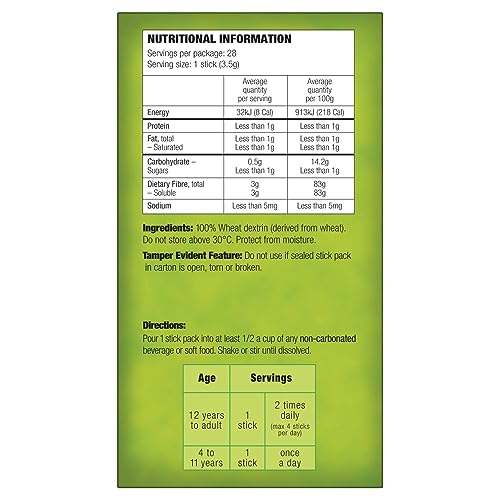
Finally, evaluate the serving size per stick pack. Some brands offer low-dose sticks (3-5 grams) which are great for beginners who need to 'ramp up' slowly to avoid bloating. Others offer high-dose sticks (10+ grams) intended for those with significant dietary gaps. Ensure the stick pack format aligns with your lifestyle. If you travel frequently, look for slim, durable packaging that won't tear easily in your bag. The goal is a supplement that integrates seamlessly into your routine without becoming a chore to prepare.