Understanding Tube Dimensions and Base Types
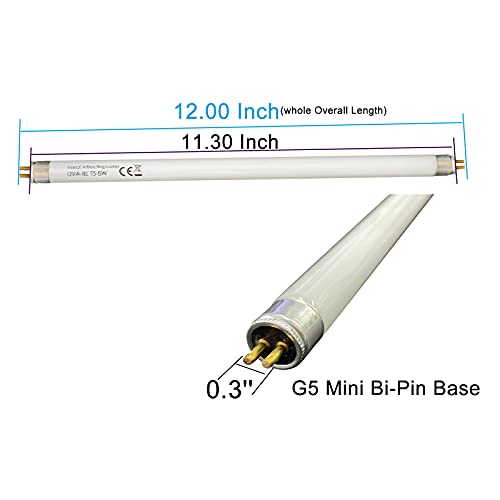
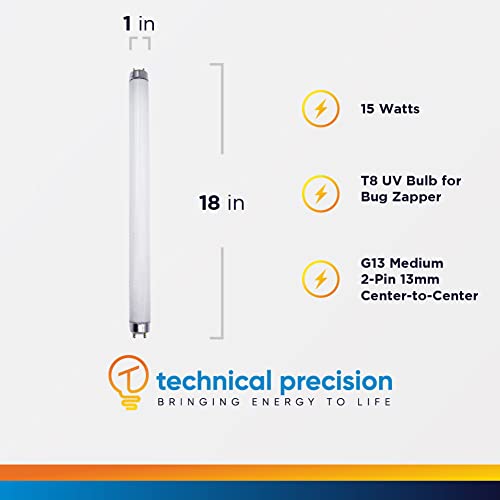
The first and most non-negotiable step is identifying the physical dimensions of your existing tube. Fluorescent tubes are categorized by a naming convention that indicates both their diameter and their length. For instance, a T5 tube is much thinner than a T8 tube, and attempting to swap one for the other is impossible due to the different socket requirements. You must measure the length of your current tube precisely. Beyond length, you must identify the base type. Most sconces use a bi-pin connection, but the spacing between these pins varies depending on whether you are using a T5, T8, or T12 standard. Always check the markings on your old bulb to ensure the diameter and pin configuration match perfectly.
Color Temperature and Visual Atmosphere
In a sconce, the color temperature—measured in Kelvin (K)—is arguably the most important factor for interior design. Since sconces are often placed at eye level or used to highlight artwork, the 'warmth' of the light dictates the mood. For bedrooms, hallways, or living areas, look for 'Warm White' options, typically ranging from 2700K to 3000K. This creates a soft, inviting glow. If the sconce is located in a workspace, such as a reading nook or a vanity, you might prefer 'Cool White' or 'Daylight' temperatures (4000K to 5000K), which provide higher contrast and better color accuracy. Avoid using high-Kelvin daylight tubes in decorative sconces, as they can create a harsh, institutional feeling that ruins the ambiance of a home.
Lumen Output and Brightness Requirements
When selecting a tube, do not confuse wattage with brightness. Wattage measures how much energy the bulb consumes, while lumens measure the actual amount of light produced. For a sconce intended for ambient lighting, you want a lower lumen count to prevent glare. However, if the sconce is your primary source of task lighting, you will need a higher lumen output. Always check the lumen rating on the packaging. A common mistake is choosing a high-wattage bulb thinking it will be brighter, only to find it consumes more electricity without providing the necessary light density for the specific task at hand.
Ballast Compatibility and Flicker Prevention
Fluorescent tubes do not operate in isolation. They require a ballast within the sconce fixture to regulate the current. If you are replacing a tube after a long period, ensure that the new tube is compatible with your fixture's existing ballast. Some modern, high-efficiency tubes are designed to work with electronic ballasts, which are much quieter and more stable than older magnetic ballasts. If you notice your light flickering or making a humming sound, it is often a sign of a mismatch between the tube and the ballast. When in doubt, selecting a tube specifically rated for 'electronic ballast compatibility' is the safest route to ensuring a flicker-free experience.
Longevity and Color Rendering Index (CRI)
Finally, consider the Color Rendering Index (CRI). This scale from 0 to 100 measures how accurately a light source reveals the true colors of objects. For sconces used near mirrors or to illuminate decor, aim for a CRI of 80 or higher. A low CRI will make colors look washed out or muddy. Additionally, look for tubes with high rated lifespans (measured in hours). High-quality fluorescent tubes should offer consistent brightness throughout their life cycle, rather than dimming significantly after only a few hundred hours of use.