#TOP1

Growing your own food is one of the most rewarding endeavors for any gardener, but the complexity of starting from scratch can be daunting. When you enter the world of bulb fruits—a category encompassing specialized crops like onions, garlic, shallots, and certain types of edible tubers—you aren't just buying a plant. You are investing in a biological blueprint. Selecting the right seeds is the most critical step in ensuring a successful harvest, as the genetic quality of the seed determines everything from disease resistance to the flavor profile of your final meal. This guide is designed to help you navigate the nuances of bulb fruit seed selection, moving beyond simple aesthetics to focus on the science of germination and culinary yield.
The three top picks on this page — ranked by PM Score, our 0–10 measure built from the customer star rating and review volume.


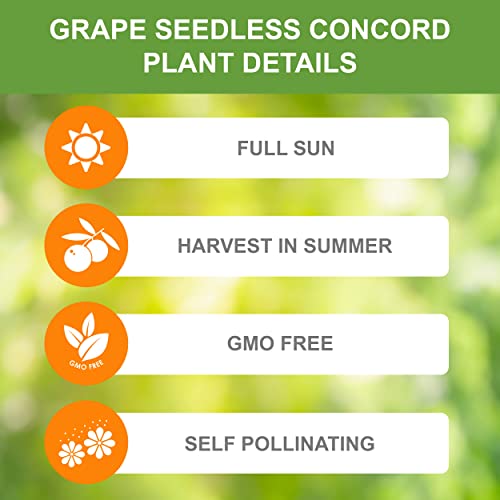

Garden State Bulb Grape Seedless Concord Plant, Live Bare Root, Non-GMO (Bag of 1)
| SELLER | SELLER SCORE | AMAZON FULFILLED | PRIME | FREE SHIPPING |
|---|---|---|---|---|
| No | No | No |
The GSB Garden State Bulb Seedless Concord Grape Plant is a long-term investment in your backyard bounty, offering a potential forty-year lifespan from a single bare root. This one-year-old plant arrives temperature-controlled to ensure it survives the trip to your garden. While you might only see a few grapes during the first season, the yield ramps up significantly by the second year, eventually hitting full production within four years. Once established, a single vine can produce over 20lbs of fruit. To get the best results, find a spot with full sun and excellent airflow. It is a hardy, self-pollinating choice that not only feeds your family but also serves as a magnet for local pollinators and birds.


Garden State Bulb Meyer Lemon Tree, Citrus Live Plant (1 Gallon Growers Pot) Cannot Ship FL, AZ, CA, TX, LA
| SELLER | SELLER SCORE | AMAZON FULFILLED | PRIME | FREE SHIPPING |
|---|---|---|---|---|
| Garden State Bulb | 8.15 | No | No | No |
Most people assume you need a massive backyard orchard to harvest fresh citrus, but this Meyer lemon tree proves you can cultivate edible fruit right on your windowsill. Arriving in a sturdy 1-gallon grower's pot, this live plant is remarkably versatile, thriving in containers or well-drained outdoor soil. I love that it is self-pollinating, which removes a huge layer of complexity for indoor gardeners. It transitions beautifully from a bright indoor spot to a sunny patio, eventually reaching a mature height of 8 to 10 feet. Beyond the delicious fruit you can expect within the first year, the blossoms actually serve a dual purpose by attracting birds and butterflies to your space. Just keep in mind the strict shipping restrictions for certain southern states before you order.


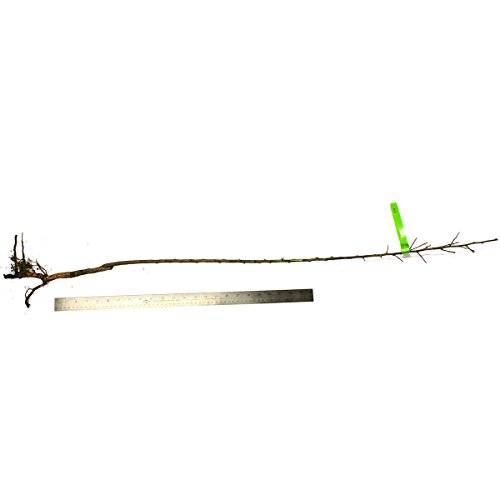
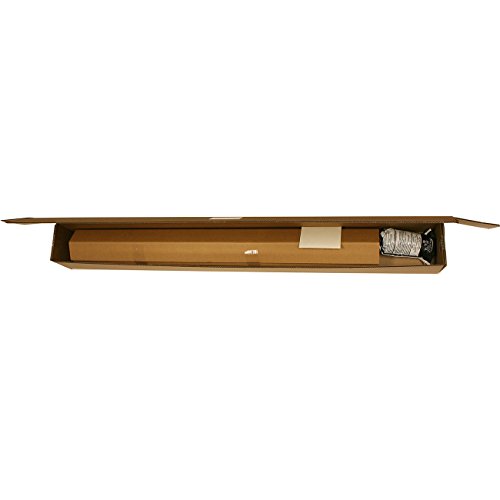

Van Zyverden Plum Tree - Methley - 1 Root Stock
| SELLER | SELLER SCORE | AMAZON FULFILLED | PRIME | FREE SHIPPING |
|---|---|---|---|---|
| No | No | No |
The Van Zyverden Methley Plum Tree delivers an incredible abundance of sweet, red-purple fruit that transforms your garden into a summer pantry. This isn't just another fruit tree. It is a high-performance grower that handles heat with ease and matures quickly, with height increases reaching up to 24 feet per year. Because it is self-pollinating, you don't have to worry about the complexities of managing multiple trees for fruit production. The harvest arrives early in the season, typically between May and June, providing a distinctive flavor that is perfect for fresh eating or crafting premium jellies. If you have a spot that gets full sun, this whip-style rootstock is a powerhouse for anyone wanting a heavy, juicy crop.

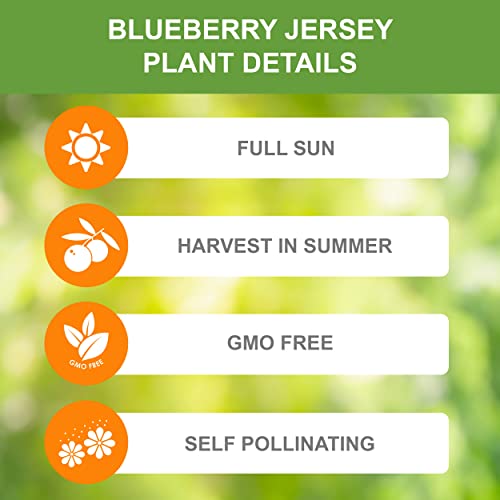

Garden State Bulb Blueberry Jersey Plant, Live Bare Root, Non-GMO (Bag of 2)
| SELLER | SELLER SCORE | AMAZON FULFILLED | PRIME | FREE SHIPPING |
|---|---|---|---|---|
| No | No | No |
Your summer breakfast routine is about to get a major upgrade once these Jersey blueberry shrubs start producing their deep blue, sweet fruit. I was particularly impressed by how well these bare root plants arrived. They were temperature-controlled and handled with genuine care to ensure they hit the ground running. Once you get them planted in a sunny spot this spring, you're looking at a hardy, self-pollinating landscape feature that reaches up to five feet. They do more than just provide edible berries, though. The white summer blooms act as a magnet for pollinators, and as the fruit matures, the shrubs become a favorite for local birds. It is a rare win-win of a functional food source and a beautiful, bird-friendly garden accent.

The most fundamental factor when purchasing bulb fruit seeds is the germination rate. Unlike standard leafy greens, bulb crops often require specific environmental triggers to break dormancy. High-quality seed packets will clearly state a percentage of expected germination. Look for seeds that have been tested recently. Older seed stock loses its vigor, leading to patchy, uneven growth that can frustrate even experienced growers. A high germination rate doesn't just mean more plants. It means more uniform growth, which is essential when you are managing a garden bed where spacing and timing are critical for bulb development.
Bulb fruits are notoriously sensitive to temperature fluctuations and day length. For instance, many varieties of garlic and onion require a period of vernalization—a cold dormancy period—to trigger the formation of a bulb. If you live in a tropical climate, purchasing seeds designed for temperate zones will result in nothing but green foliage and no edible bulb. Conversely, if you are in a cold region, you must look for 'short-season' or 'early-maturing' varieties that can complete their lifecycle before the first frost. Always cross-reference the seed's preferred growing zone with your local hardiness zone to ensure the plant can actually reach maturity.
Not all bulb seeds are created equal in the kitchen. You must decide whether your priority is flavor, storage life, or yield. Some onion varieties are bred specifically for their high sugar content and sweetness, making them ideal for raw consumption in salads, while others are bred for pungency and long-term storage in a cellar. Similarly, with garlic, you may choose between hardneck varieties, which offer complex, spicy flavors and are easier to braid, and softneck varieties, which are more widely used for green garlic and have a longer shelf life. Determine your culinary end-goal before selecting your seeds to avoid the disappointment of a harvest that doesn't suit your recipes.
Bulb crops are particularly susceptible to soil-borne pathogens, such as white rot or various fungal blights. When selecting seeds, prioritize varieties that are labeled as having high resistance to common regional diseases. Furthermore, consider the soil type you intend to plant in. Some bulb fruits thrive in heavy, moisture-retentive clay, while others require the rapid drainage provided by sandy loams to prevent the bulbs from rotting in the ground. Choosing a variety that matches your soil's natural drainage capabilities will significantly reduce the need for intensive soil amendments and chemical interventions.
Finally, consider the source of the seeds. Heirloom varieties are excellent for gardeners looking to preserve genetic diversity and enjoy traditional flavors, but they may require more specific care. Hybrid varieties, on the other hand, are often engineered for vigor and consistent performance. Ensure that the seeds you purchase are 'true-to-type,' meaning they are not contaminated with other species or unhygienic fillers. High-purity seeds ensure that when you plant a row of shallots, you aren't accidentally growing a mix of different onion species, which would make harvesting and managing the crop nearly impossible.
Quick answers about Bulb Fruits before you buy.
Share of top-ranked products by brand, from our rankings.
We compared Bulb Fruits products using product details and customer ratings to identify the best options in the categories..
From that comparison we shortlisted the top 4 Bulb Fruits for this page..
We aim to help you find the right seeds products for your needs and save you time when choosing which Bulb Fruits to buy.
Compare the top 4 picks at a glance — select a column to sort.


