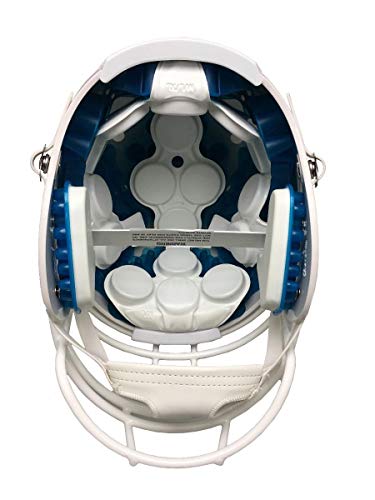
Prioritize Impact Technology and Liner Systems
The core of any Schutt helmet is its internal cushioning system. Unlike budget alternatives that rely on simple foam padding, premium Schutt models often feature advanced liner technologies designed to dissipate energy across a wider surface area. When shopping, look closely at whether the helmet utilizes air-filled bladder systems or high-density foam composites. Air-filled liners allow for a more customized fit, as they can be adjusted to fill the specific gaps between the skull and the outer shell, reducing the 'sloshing' effect during high-velocity impacts. If you are a player prone to heavy contact, prioritize models that emphasize multi-layered protection and energy-management systems specifically engineered for rotational force reduction.
Understanding Shell Construction and Weight
The outer shell is your first line of defense. Schutt utilizes high-impact plastics that are engineered to be incredibly rigid yet surprisingly lightweight. A common mistake is choosing a helmet that feels 'heavy' in the hand, assuming more weight equals more protection. In reality, an overly heavy helmet can lead to neck fatigue and slower reaction times. Look for shells that utilize lightweight composites which maintain structural integrity without adding unnecessary bulk. A well-balanced helmet should sit centered on your head, distributing its weight evenly so that it doesn't feel like it is pulling your chin toward your chest during play.
The Importance of Face Mask Configuration
The face mask is perhaps the most visible part of the helmet, but its function is purely tactical. The configuration you choose must match your specific position and field of vision requirements. For linemen, a more robust, multi-bar mask is essential to protect against direct frontal impact, even if it slightly limits peripheral vision. Conversely, skill positions like wide receivers or defensive backs require masks that offer an unobstructed view of the field to track the ball and incoming players. When evaluating a helmet, consider how the mask integrates with the shell. A seamless connection ensures that the mask doesn't shift or vibrate during contact, which can be both distracting and dangerous.
Customization and Fitment Longevity
A helmet is a significant investment, and you want it to remain effective throughout multiple seasons. Schutt helmets are often modular, meaning you can upgrade the padding or swap out the face mask as your needs change. Look for models that offer adjustable chin straps and customizable interior padding. A proper fit should be snug enough that the helmet does not move when you shake your head, but not so tight that it creates pressure points on your forehead or temples. Always consider the 'break-in' period. Some high-end liners require a few sessions to conform perfectly to your unique head shape. Choosing a model with adjustable components ensures that as you grow or as your equipment needs evolve, your helmet remains a reliable piece of safety gear.