Material Science: Breathability vs. Durability
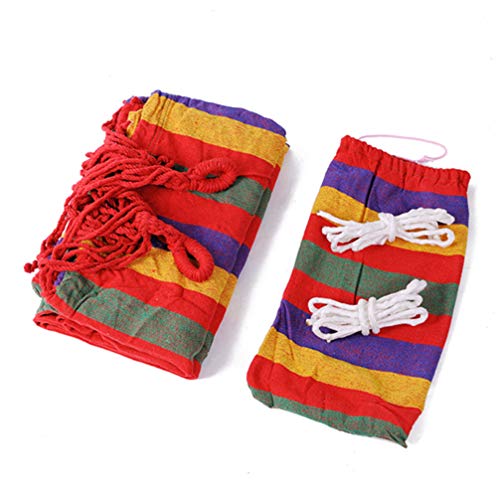
The first decision you must make is the fabric composition, as this dictates where and how you will use the hammock. For backyard lounging, heavy-duty cotton canvas or thick polyester blends are ideal. These materials offer a soft, tactile feel against the skin and provide a sense of security through their weight. However, they are prone to absorbing moisture and can become heavy when damp.
If your goal is portability, look toward high-tenacity nylon or ripstop fabrics. These are the gold standard for camping. They are incredibly lightweight, pack down to the size of a grapefruit, and possess high tensile strength. Ripstop is particularly important because the reinforced grid pattern prevents small punctures from turning into catastrophic tears. If you plan on using your hammock in tropical or humid environments, prioritize quick-dry synthetic fibers to avoid mildew buildup.
The Geometry of Comfort: Dimensions and Shape
One of the most common mistakes beginners make is buying a hammock that is too short. A hammock that is too small forces your body into a vertical position, putting immense pressure on your spine. To achieve the 'diagonal lay'—the secret to sleeping flat in a hammock—you need enough fabric to allow your body to angle across the width of the bed. Always look for a length that exceeds your own height by at least 20%.
Furthermore, consider the shape. Traditional gathered-end hammocks are classic and easy to hang, but they can create pressure points at the shoulders. For those prioritizing sleep, a hammock with integrated structural ridgelines can help maintain a flatter profile. If you prefer a more cocoon-like feeling, look for designs with built-in mosquito netting or 'bug nets' that are integrated into the fabric rather than being a separate, clunky attachment.
Suspension Systems and Setup Ease
A hammock is only as good as its ability to be hung. Do not overlook the hardware. A high-quality hammock should come with a reliable suspension system, such as tree-friendly straps or high-strength carabiners. Avoid thin ropes or paracord, which can damage tree bark and are difficult to tension correctly.
Look for wide webbing straps that distribute the load over a larger surface area of the tree. If you are a minimalist camper, look for 'integrated suspension' where the straps are sewn directly into the hammock ends, saving precious weight and setup time. For backyard use, you might prefer a hammock that is compatible with a dedicated metal stand, which offers the flexibility to move your relaxation zone anywhere on your patio or lawn without needing two sturdy trees.
Weight Capacity and Safety Margins
Always check the rated weight capacity, but treat that number as a maximum, not a suggestion. For long-term durability, it is wise to select a hammock with a capacity significantly higher than your own body weight. This provides a safety margin that accounts for the dynamic load (the movement of shifting your weight) which exerts more force than a static load. A hammock rated for 400 pounds will feel much more stable and secure for a 200-pound person than one rated for exactly 200 pounds.