Identify the Right Stone Type for Your Aesthetic
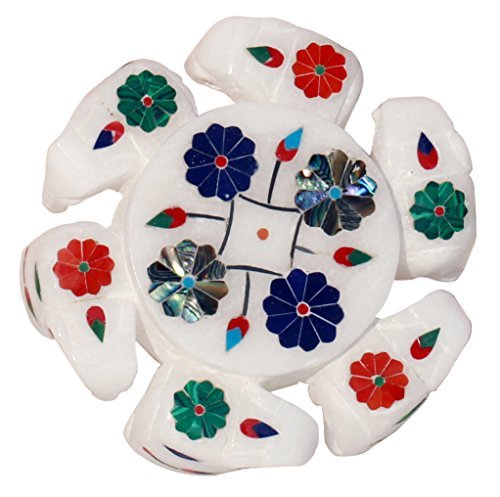
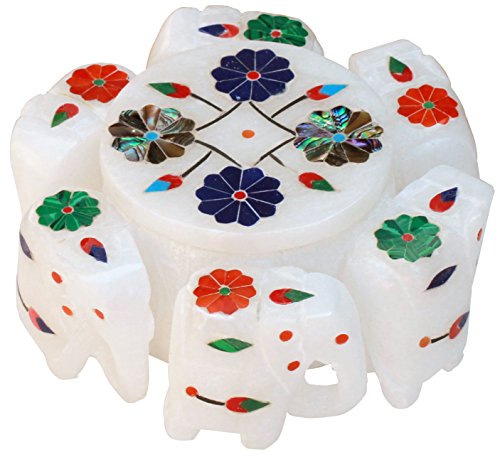
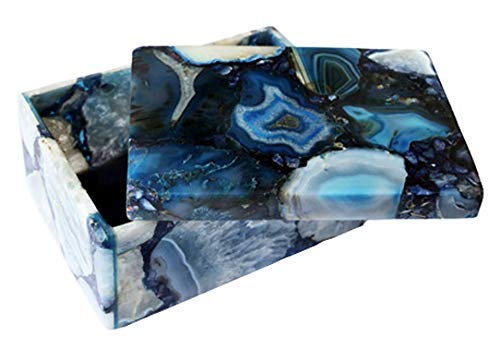
The most critical decision in selecting a stone box is choosing the material, as the stone dictates both the visual mood and the physical durability of the piece. Marble is the most popular choice for decorative boxes due to its elegant veining and ability to take a high-polish finish. It works beautifully in classical or minimalist settings. If you prefer something more rugged and earthy, consider soapstone or travertine. Soapstone is softer and often features a matte, velvety texture that feels incredible to the touch, making it ideal for tactile desktop items. For a more dramatic, high-contrast look, onyx offers translucency and vibrant color patterns that can act as a standalone piece of art. Always consider how the stone's natural color palette interacts with your existing decor. Cool-toned marbles suit modern spaces, while warmer stones like sandstone or alabaster complement traditional or bohemian interiors.
Evaluate Craftsmanship and Joinery
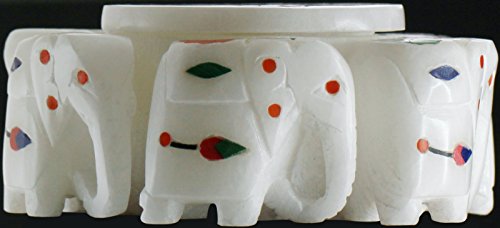
Because these items are handmade, the quality of the execution is found in the details. Examine the lid fit first. A high-quality handmade stone box should have a lid that sits flush with the base, showing minimal gaps. If the lid feels loose or uneven, it suggests the stone was not precision-cut. Look closely at the edges. They should be smooth and consistent, whether they are designed to be sharp and geometric or softly rounded. In handmade pieces, you should look for 'intentional imperfection'—slight variations in the stone's grain or subtle tool marks that prove it was carved by hand—rather than structural flaws like cracks, deep fissures, or uneven weighting. A well-made box should feel balanced and substantial when lifted.
Consider Functionality and Interior Finish
A decorative box is often judged by its exterior, but its utility depends on its interior. If you plan to use the box for delicate jewelry, ensure the interior is smooth. Some premium handmade boxes feature velvet or silk linings to prevent scratching, which adds a layer of luxury and protection. If the box is intended for more utilitarian use, such as holding keys or stationery, a raw, unlined stone interior may be more appropriate. Pay attention to the weight. A box that is too light may feel 'cheap,' whereas a box that is excessively heavy might be cumbersome for daily use. The ideal piece strikes a balance between being a heavy, grounding object and a functional container.
Maintenance and Longevity
Before finalizing your purchase, consider the long-term care requirements of the specific stone. Highly porous stones like marble and travertine are susceptible to staining from oils, perfumes, or liquids. If you intend to use the box for vanity items, you may need to seal the stone or choose a denser material like granite or onyx to prevent damage. Understanding how much maintenance you are willing to commit to will determine whether a high-maintenance, polished marble piece or a low-maintenance, matte soapstone piece is the better fit for your lifestyle.