Material Composition and Corrosion Resistance
The most critical factor in hinge selection is the material. Since gates are frequently exposed to rain, humidity, and temperature fluctuations, the metal must resist oxidation. Galvanized steel is a standard industry choice because the zinc coating provides a sacrificial layer against rust. However, for coastal environments where salt spray is a factor, stainless steel is the superior, albeit more expensive, option. If you are installing hinges on a wooden gate, ensure the metal is heavy-duty enough to prevent the screws from stripping the wood fibers over time. Avoid lightweight aluminum for heavy driveway gates, as it lacks the structural integrity required to prevent bending under load.
Load Capacity and Weight Distribution
Every hinge has a rated weight capacity, and ignoring this is the fastest way to a failed installation. You must calculate the total weight of your gate—including the frame, the cladding (wood, vinyl, or metal), and any decorative hardware—and ensure your hinges can support at least 1.5 times that weight to account for dynamic movement. For heavy timber gates, look for heavy-duty strap hinges that distribute the weight across a larger surface area of the gate face. For lighter pedestrian gates, standard butt hinges or barrel hinges may suffice. If your gate is exceptionally wide, you should consider a three-hinge configuration rather than two to prevent the outer edge from dragging.
Hinge Type and Motion Requirements
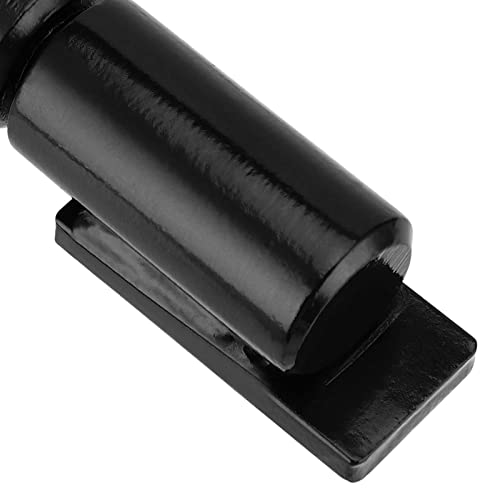
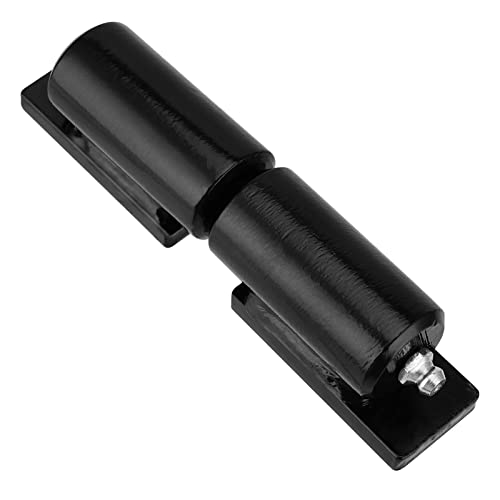
The mechanism of the hinge determines how the gate behaves. Strap hinges are ideal for wooden gates as they provide long, sturdy arms that anchor deep into the wood, reducing the chance of the hinge pulling away. T-hinges offer a similar benefit but are often used for lighter utility gates. If you are working with metal tubing, weld-on hinges provide the most permanent and strongest connection possible. Additionally, consider the swing radius. Some specialized hinges allow for a 180-degree opening, which is essential if the gate needs to clear an obstacle or provide wide access for machinery.
Installation Compatibility and Hardware
A common mistake is purchasing high-quality hinges but using low-quality mounting hardware. Ensure the hinges come with, or are compatible with, heavy-duty lag bolts or carriage bolts rather than simple wood screws. For wooden structures, lag bolts provide the necessary pull-out resistance. For metal structures, ensure you have the appropriate welding equipment or self-tapping screws. Pay close attention to the 'gap' requirements specified by the manufacturer. If the hinge requires a specific clearance between the gate and the post to swing freely, failing to account for this will lead to constant friction and premature wear.