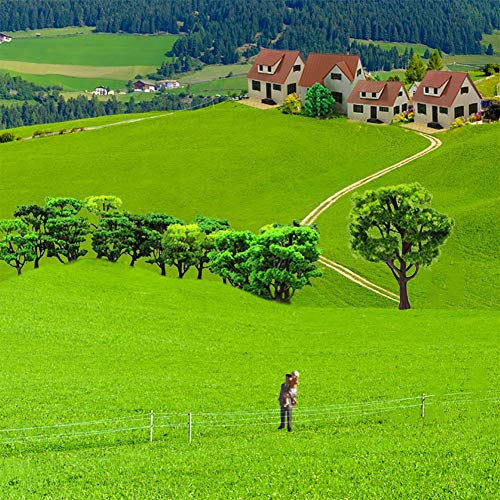
Understanding Scale and Proportions
The most critical rule in scenery selection is strict adherence to scale. Model trains operate in specific scales—such as HO, N, or O—and your scenery must match these proportions perfectly. A tree that looks magnificent in an N-scale landscape will appear like a giant redwood in an HO-scale setting, instantly breaking the illusion of depth. When shopping for scenery, always verify the manufacturer's intended scale. Beyond the primary scale, pay attention to 'fine scale' details. High-quality scenery kits often provide graduated textures, such as varying sizes of static grass or different grades of ballast, to mimic the natural irregularity found in the real world.
Material Composition and Texture
Scenery materials generally fall into three categories: organic, synthetic, and structural. Organic-style scenery includes ground foams, fine turf, and static grass, which are essential for creating meadows, hillsides, and embankments. Synthetic materials often include resin-cast rocks or molded plastic foliage. When choosing, consider the 'clump' factor. Low-quality scenery often looks like painted sawdust, whereas premium options utilize multi-tonal fibers that catch the light like real vegetation. For rockwork, look for high-density polyurethane foams or plaster-based kits that allow for deep crevices and realistic weathering. The goal is to avoid flat, monochromatic surfaces. Look for products that offer color variegation out of the box.
Ease of Application and Longevity
As a hobbyist, you must consider the labor involved in the application process. Some scenery requires complex layering—applying base earth, then grit, then fine turf, and finally static grass. If you are a beginner, look for 'scenery mats' or pre-molded terrain pieces that provide a head start. However, if you seek professional results, investing in tools like static grass applicators will yield significantly better results than simply sprinkling fibers by hand. Furthermore, consider the longevity of the materials. Some cheaper scenic foams can degrade or lose their shape over years of exposure to humidity or light. High-quality scenic elements are designed to remain stable, ensuring your layout looks as good in a decade as it does on the day of completion.
Weathering and Realism Integration
Great scenery is rarely pristine. To achieve true realism, you should look for scenery components that are 'weathering-friendly.' This means materials that can accept washes, pigments, or airbrushed tones without absorbing them unevenly. When selecting buildings or architectural scenery, look for pieces that feature realistic weathering effects—such as soot stains near chimneys or rust on metal supports—or ensure the material is porous enough to allow you to apply your own aging effects. A cohesive layout is achieved when the scenery, the track ballast, and the structures all share a similar tonal language and level of grit.
Decision Logic: How to Choose
When deciding which scenery to purchase, use this hierarchy: First, confirm the scale matches your locomotives. Second, prioritize texture over color. A realistic texture can be painted, but a flat, plastic-looking texture is difficult to fix. Third, assess your skill level. If you prefer rapid progress, opt for modular scenery kits. If you prefer craftsmanship, invest in raw materials like fine-grain powders and specialized foliage. By focusing on these technical aspects, you move from merely decorating a layout to engineering a miniature universe.