Determine the Scale and Size Requirements
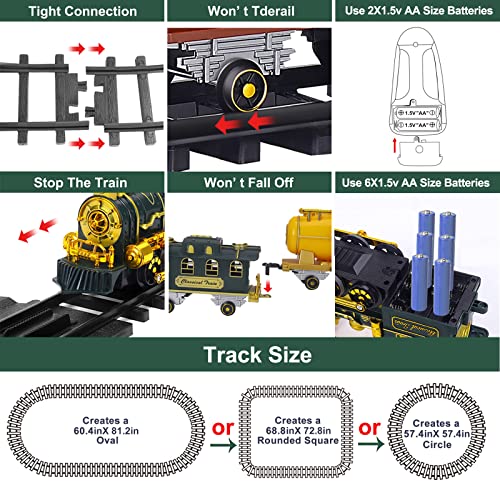
The most critical decision in hobby railroading is the scale. Scale refers to the ratio of the model to the actual size of the real-world train. For children, scale dictates how much space you need and how delicate the parts are. Smaller scales, such as N scale, are incredibly compact and perfect for tabletop layouts or small bedrooms, but they require fine motor skills and precision to operate. Larger scales, like O scale, are much more robust and easier for smaller hands to manipulate, making them ideal for younger children. However, keep in mind that larger scales require significantly more floor or table space to allow for meaningful track layouts. Before purchasing, measure your intended play area to ensure the set won't feel cramped.
Choose the Power System: DC vs. DCC
Once you have decided on a scale, you must choose how the trains will be controlled. Traditional sets use DC (Direct Current) power, where electricity is sent through the rails to the locomotive. In these systems, if you have two trains on the same track, they will both move when you turn the knob. This is simpler and more affordable for beginners. More advanced enthusiasts prefer DCC (Digital Command Control). DCC allows you to control multiple locomotives independently on the same track using digital signals. While DCC sets are more expensive and have a steeper learning curve, they offer a much higher level of realism and expandability as the hobby grows.
Material Quality and Durability
In the world of hobby trains, there is a massive difference between plastic toys and die-cast or high-quality composite models. For a child, durability is a primary concern. Look for sets that feature metal chassis or heavy-duty plastic components that can withstand the occasional bump. Furthermore, pay attention to the track connectivity. High-quality track should snap together securely with consistent electrical contact. If the track connections are flimsy, the train will frequently stall, leading to frustration rather than engagement. A set with sturdy, reliable rails is the foundation of a successful hobby.
Expansion Potential and Compatibility
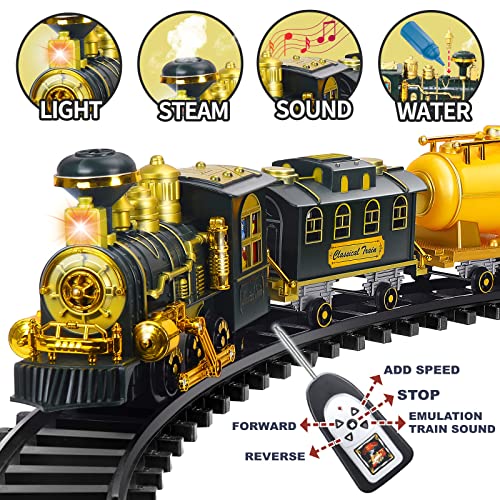
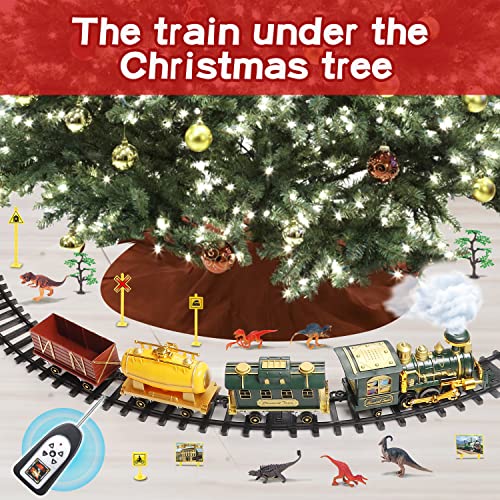
A great hobby train set should not be a closed loop. Avoid sets that are proprietary to a single manufacturer if you want the child to grow with the hobby. Instead, look for sets that use standard track gauges, allowing you to purchase additional bridges, tunnels, switches, and scenery from various brands. A 'starter set' should ideally include a locomotive, a few cars, and a basic loop, but it should also leave room for the child to build their own custom world. The ability to add scenery like mountains, stations, and crossings is what transforms a simple toy into a lifelong passion.
Age Appropriateness and Complexity
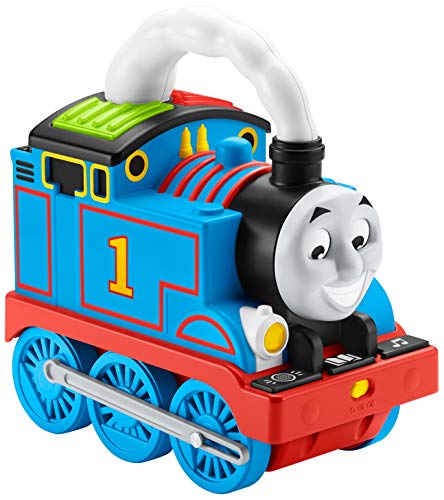
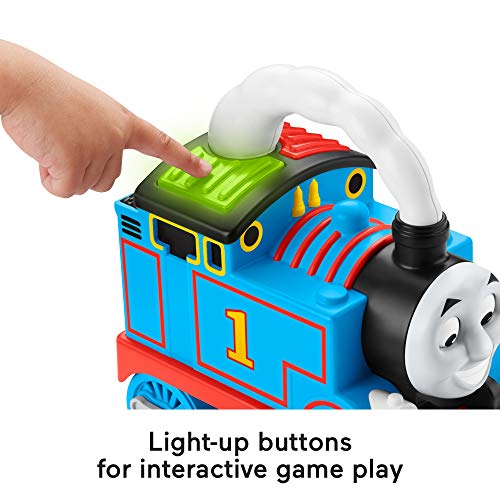
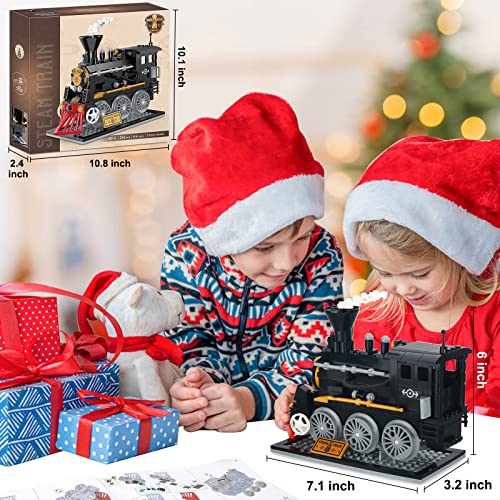
Finally, match the complexity of the set to the developmental stage of the child. Very young children benefit from battery-operated or simple analog sets with large, easy-to-grip pieces. Older children (ages 8 and up) can begin to tackle more complex electrical wiring, more intricate scenery building, and even the basic maintenance of the locomotives. Consider whether you want a 'plug-and-play' experience or a 'build-it-yourself' project that requires adult supervision and more hands-on involvement.