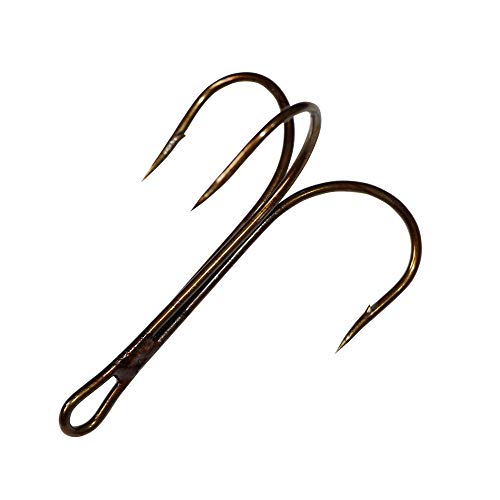
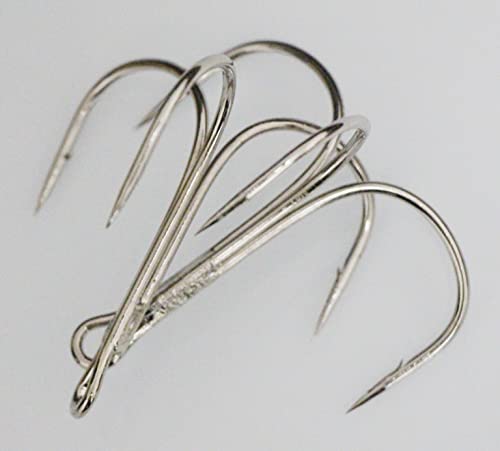
Assess Load Capacity and Weight Distribution
The most critical factor in selecting any hook is its rated weight capacity. A common mistake is choosing a hook based on its visual size rather than its structural integrity. If you are hanging heavy items like drills, hammers, or large canisters, you need a hook designed for high-tension loads. Pay close attention to whether the weight is distributed along a single point or across a wider base. Hooks with a wider mounting footprint generally offer better stability and prevent the hook from pivoting or pulling away from the surface under stress. Always aim to select a hook with a capacity that exceeds your heaviest item by at least 20% to account for dynamic movement or accidental tugging.
Evaluate Mounting Mechanisms
Laxygo hooks come in various mounting configurations, and your choice should be dictated by the substrate you are attaching them to. If you are working with drywall, you will likely need hooks that are compatible with specific anchors to prevent the hook from ripping out of the plaster. For wooden pegboards or stud walls, screw-in hooks provide the most permanent and robust connection. If you are looking for non-destructive options for finished surfaces, look for adhesive-backed or suction-based variations, though these should be reserved for lightweight items like cables or small accessories. Understanding the difference between a hook that 'grips' a rail and one that 'screws' into a surface is vital for a successful installation.
Material Composition and Environmental Durability
The environment where you intend to use the hook should dictate the material. For indoor office or kitchen organization, standard steel or plastic hooks are perfectly adequate. However, if you are organizing a garage, a basement, or an outdoor shed, you must prioritize corrosion resistance. Look for hooks treated with powder coating or those made from stainless steel or high-density polymers. These materials resist moisture and humidity, preventing the rust that can eventually weaken the hook and lead to catastrophic failure. Furthermore, consider the rigidity of the material. High-quality hooks should not flex significantly when weight is applied, as flexing indicates a risk of fatigue over time.
Hook Geometry and Utility Type
Not all hooks are shaped for the same purpose. A 'J-hook' is excellent for hanging items with loops, such as ropes or certain garden tools, but might be unstable for items with a flat profile. A 'pegboard hook' is specifically designed to slide into pre-drilled holes, offering a modular approach to organization. Consider the 'neck' length of the hook. A longer neck allows you to clear more space between the wall and the object, which is useful for bulky items like spray bottles or large hand tools. Match the geometry of the hook to the specific shape of the object you intend to hang to ensure the item sits flush and doesn't swing erratically.