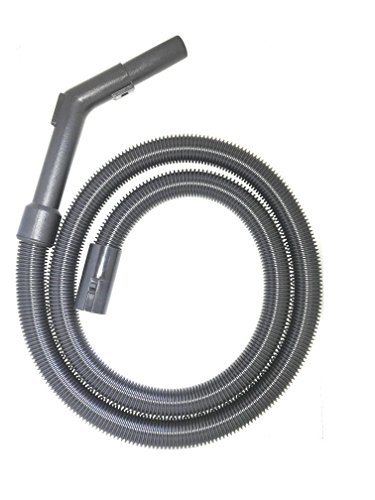
Determine Your Primary Application
The first step in any hose purchase is defining the medium being transported and the environment of use. Garden hoses are designed for low-to-medium pressure water delivery, whereas hydraulic or pneumatic hoses are engineered to handle much higher PSI (pounds per square inch) and specific chemical compositions. If you are working in a residential setting, you might prioritize flexibility and weight. However, if you are working in a construction or industrial setting, you must prioritize burst strength and chemical resistance. Using a standard garden hose for high-pressure air or industrial solvents will result in immediate failure and potential safety hazards.
Material Composition and Durability
The material of the hose determines its lifespan and performance characteristics. Common materials include:
- Vinyl: Lightweight and inexpensive, making them ideal for light gardening. However, they are prone to kinking and degrade quickly under UV exposure.
- Rubber: The gold standard for durability. Rubber hoses offer excellent flexibility, resist kinking, and can withstand extreme temperature fluctuations. They are heavier but far more resilient in professional settings.
- Polyurethane: Often used in pneumatic applications, these offer a high strength-to-weight ratio and excellent memory, meaning they tend to return to their original shape without twisting.
- Hybrid Materials: Many modern high-end hoses use a hybrid of polymer and rubber to provide the lightweight benefits of vinyl with the ruggedness of rubber.
Understanding Pressure Ratings and Flow Rates
Every hose has a maximum working pressure. Before buying, check the PSI rating to ensure it exceeds the output of your water source or compressor. A common mistake is buying a hose with a working pressure that is too close to the maximum output of the pump, which leads to fatigue and eventual rupture. Additionally, consider the internal diameter (ID). A wider ID allows for a higher flow rate (GPM - Gallons Per Minute), which is essential for rapid filling or high-volume irrigation, whereas a narrower ID is better for controlled, precision tasks.
Kink Resistance and Flexibility
Nothing halts a job faster than a kinked hose. Look for hoses that feature reinforced braiding—usually a mesh of polyester or steel wire—within the hose wall. This reinforcement provides structural integrity that prevents the hose from collapsing when bent. If you frequently move around a large yard or worksite, prioritize 'zero-memory' hoses, which are designed to lay flat and stay straight even after being coiled for long periods.
Connection Types and Fittings
Ensure the fittings are compatible with your existing tools. Most residential hoses use standard threaded connections, but the material of the fitting matters immensely. Brass fittings are highly recommended over plastic ones because they resist stripping, withstand higher pressures, and do not crack under sunlight. For industrial applications, look for quick-connect systems that allow for rapid transitions between different implements without the risk of leaks at the junction point.