Defining Your Event Theme and Aesthetic
The first step in selecting your invitations is aligning the design with your event's core concept. A common mistake is choosing a design that clashes with the venue or the dress code. For formal occasions, look for invitations that utilize classic typography, muted color palettes, and minimalist layouts. If you are planning a themed celebration—such as a botanical garden party or a retro-inspired birthday—search for designs that incorporate specific motifs like floral patterns, geometric shapes, or vintage textures. The visual language of the invitation sets the stage for the entire guest experience.
Paper Quality and Tactile Experience
In the world of premium stationery, the weight and texture of the paper are just as important as the print itself. When browsing options, pay close attention to the cardstock weight. A heavier, thicker cardstock feels more substantial and luxurious in a guest's hand, signaling that the event is a significant occasion. Beyond weight, consider the finish. Matte finishes offer a modern, sophisticated look that is easy to read under various lighting conditions, while glossy finishes can make vibrant colors and photographic elements pop. If you want something truly unique, look for textured or linen-style papers that provide a tactile dimension to the unboxing experience.
An invitation is a functional tool, and its primary job is to convey information clearly. A beautiful design is a failure if the guest cannot easily discern the date, time, and location. When evaluating designs, check the contrast between the text and the background. Light text on a pale background can be difficult to read, especially for older guests. Furthermore, look for a clear information hierarchy: the most important details (the 'who', 'what', and 'when') should be the most prominent, while secondary details like RSVP instructions or dress codes should be neatly organized but slightly less emphasized.
Quantity and Buffer Planning
One of the most critical logistical decisions is how many invitations to order. It is a mistake to order the exact number of invitations required for your guest list. You must account for several variables: lost mail, damaged cards during transit, and—most importantly—the inevitable last-minute additions to your guest list. We recommend ordering a buffer of at least 10-15% more than your confirmed headcount. Having extra copies on hand is invaluable for keeping track of your guest list or for sending out late invitations if you realize someone was inadvertently omitted.
Envelopes and Completeness
extades
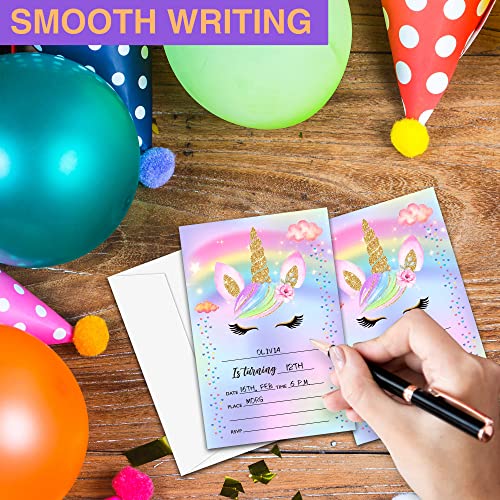
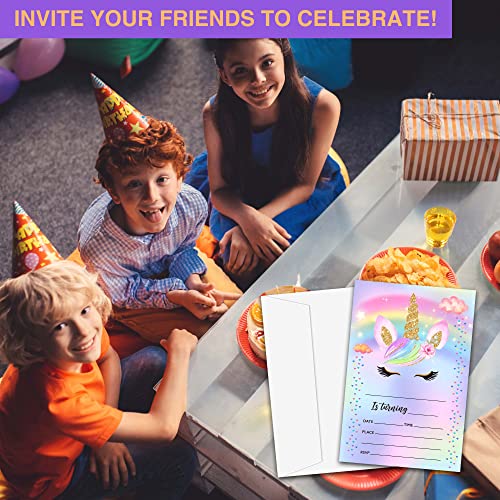
A complete invitation suite should include matching envelopes. The envelope is the first thing a guest sees, so its color and quality should complement the invitation card. Check if the set includes inner linings or specific envelope shapes that match the card dimensions. If you plan on using wax seals or custom stamps, ensure the envelope material is compatible with these decorative elements. A cohesive suite, from the envelope to the card itself, creates a professional and polished appearance that elevates your event from a simple gathering to a curated experience.