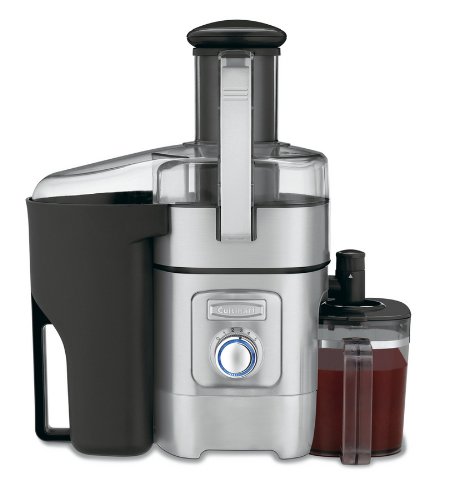
The most critical decision in your buying journey is choosing between centrifugal and masticating technology. Centrifugal juicers use a high-speed spinning blade to shred produce and force it through a fine mesh filter using centrifugal force. These are the speed demons of the juicing world. They are ideal for people who want a glass of juice in under sixty seconds. However, the high speed generates heat, which can slightly degrade sensitive enzymes and vitamins. On the other hand, masticating juicers (often called cold-press juicers) use a slow-turning screw to crush and squeeze the produce. This low-speed process preserves more nutrients and is significantly better at handling leafy greens, wheatgrass, and harder vegetables. While they are slower and often more expensive, the yield is typically higher, meaning you get more juice out of the same amount of produce.
Produce Profile: What Are You Juicing?
Before committing to a model, audit your typical grocery list. If your diet consists primarily of hard fruits like apples, carrots, and citrus, a centrifugal juicer will serve you well and handle the volume with ease. However, if you are a devotee of 'green juice'—relying heavily on spinach, kale, parsley, and celery—you must opt for a masticating juicer. Centrifugal models often struggle with leafy greens, frequently clogging or producing a high ratio of pulp to juice. Furthermore, consider if you plan to juice ginger or turmeric. Look for machines with robust motor torque that won't stall when faced with dense, fibrous roots.
Ease of Maintenance and Cleaning
The primary reason juicers end up abandoned in cupboards is the cleaning process. A juicer that takes fifteen minutes to disassemble and scrub is a juicer you will eventually stop using. When evaluating models, look for 'easy-clean' designs that feature fewer small crevices and parts that are dishwasher safe. Masticating juicers, while superior in juice quality, often have more intricate components that require meticulous cleaning to prevent dried pulp from clogging the mesh. If you are a busy professional, prioritize models with a streamlined component count. If you are a hobbyist, you might find the deep clean more rewarding for the superior juice quality it provides.
Juicing is rarely a silent activity. Centrifugal juicers, due to their high-speed motors, can be quite loud—resembling a small blender. If you plan to juice in a quiet apartment early in the morning, this is a vital consideration. Masticating juicers are much quieter, operating with a low hum. Additionally, consider your counter real estate. High-end masticating machines can be quite tall and heavy, whereas many centrifugal models are more compact. Measure your cabinet height to ensure your new appliance can actually be stored where you need it.
Yield and Efficiency
Finally, consider the 'cost per glass.' A machine that is cheaper upfront but leaves half the juice inside the pulp is actually more expensive in the long run because you will have to buy more produce to reach your daily requirements. Masticating juicers generally offer a much higher yield, extracting every possible drop of liquid, whereas centrifugal models are faster but less efficient at extracting juice from fibrous materials. Weigh the value of time saved (centrifugal) against the value of ingredient efficiency (masticating) to find your perfect match.