Understanding Material Composition
The first step in your selection process is deciding on the base material. Ceramic tiles are the most common choice for kitchen backsplashes due to their versatility and ease of cutting. They are generally more affordable and come in an endless array of colors and patterns. However, for kitchen floors, you should look toward porcelain. Porcelain is fired at higher temperatures than ceramic, making it denser, less porous, and significantly more resistant to moisture and heavy impact. If you are looking for a premium, natural look, stone tiles like marble or slate offer unmatched luxury, but be prepared for higher maintenance requirements, as natural stone often requires periodic sealing to prevent staining from oils and acids.
Prioritizing Durability and Water Resistance
In a kitchen environment, water resistance is non-negotiable. When browsing options, pay close attention to the water absorption rate. For floor tiles, a lower absorption rate is critical to prevent moisture from seeping into the subfloor, which can lead to mold or structural issues. For backsplashes, while water resistance is less critical than on the floor, you still want a non-porous surface that can be wiped clean of grease splatters without absorbing odors or bacteria. If you are opting for natural stone, ensure you factor in the cost and effort of applying a high-quality sealant to maintain its integrity against kitchen spills.
The Importance of Texture and Slip Resistance
One of the most overlooked aspects of kitchen tiling is the slip resistance rating, particularly for flooring. Kitchen floors often become wet or greasy during meal preparation. Smooth, high-gloss tiles look stunning under bright lights, but they can become incredibly treacherous when even a small amount of water is spilled. For floor applications, look for tiles with a matte or textured finish to provide better traction. For backsplashes, however, a glossier finish is often preferred because it is much easier to wipe away dried tomato sauce or oil than a textured surface where grime can settle into the grooves.
Grout Selection and Maintenance
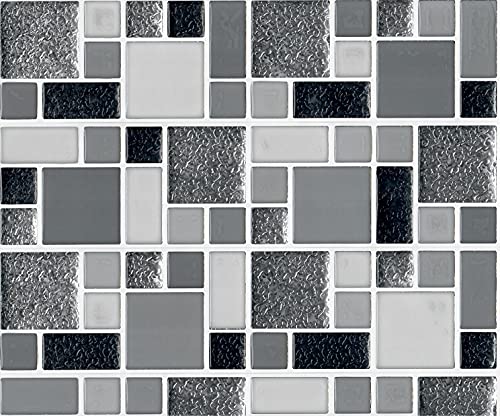
Your tile choice is only half the battle. The grout is what holds the design together and dictates how much cleaning you will perform. Small, intricate mosaic tiles create a beautiful visual effect but require significantly more grout lines. More grout lines mean more crevices for food particles and grease to accumulate. If you prefer a low-maintenance lifestyle, choose larger format tiles which minimize grout usage. Additionally, consider using epoxy grout rather than traditional cement-based grout for kitchen projects. Epoxy is much more resistant to staining and chemical cleaners, making it ideal for high-traffic culinary zones.
Aesthetic Cohesion and Scale
Finally, consider the scale of your kitchen. In a small kitchen, large-format tiles can actually make the space feel bigger by reducing visual clutter and minimizing grout lines. In a larger kitchen, a mix of textures or a patterned tile can act as a focal point to prevent the room from feeling cavernous. Always coordinate your tile color with your cabinetry and countertop materials. A high-contrast backsplash can serve as a statement piece, while a monochromatic approach creates a seamless, calming environment.