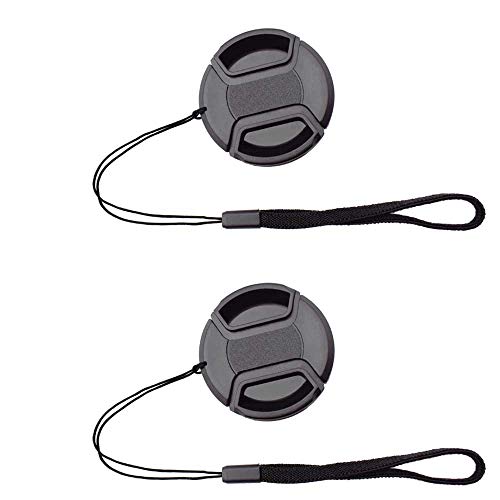
Understanding Material Durability and Build Quality
The first thing to consider when selecting a lens cap is the material construction. Not all caps are created equal. Some are flimsy, thin-walled plastic that can crack under pressure or lose their grip over time. When evaluating premium options, look for high-density polymers or reinforced materials that offer a balance of lightweight portability and rugged durability. A superior cap should feel substantial in your hand without being cumbersome. You want a material that can withstand being tossed into a camera bag alongside heavy bodies and extra batteries without warping or losing its structural integrity.
Precision Fit and Tension Mechanics
The most common failure point for lens caps is a poor fit. A cap that is too loose will slide off during transit, leaving your glass exposed, while a cap that is too tight can be a nightmare to remove in the field, especially when you are transitioning between shooting modes. Look for caps that feature high-precision internal threading or specialized clip mechanisms that provide a 'snug but smooth' experience. If you are opting for center-pinch styles, ensure the spring tension is consistent. The goal is a tactile 'click' or a sense of security that tells you the cap is locked in place, preventing accidental detachment when you reach into your gear bag.
Compatibility and Versatility
Before committing to a specific set, you must cross-reference the diameter and mounting style of your existing lenses. Lens caps are not universal. They are sized specifically by millimeter diameter. However, beyond just the size, consider the design of the cap in relation to your filtration system. Some lens caps are designed to be compatible with step-up rings or specific filter holders, which can be a significant advantage for landscape photographers who frequently swap between different focal lengths. If you carry a diverse kit, look for sets that offer a range of sizes to ensure you aren't left hunting for a missing piece in the middle of a shoot.
Protection Against Environmental Factors
A great lens cap does more than just stop scratches. It acts as a barrier against the elements. When choosing your protection, consider the environments where you typically shoot. If you frequently work in coastal areas or humid climates, look for caps that provide a tight seal to prevent salt spray or fine mist from settling on the front element. Furthermore, the interior of the cap should be smooth and free of any sharp plastic burrs that could inadvertently scratch the lens coating during application. A high-quality cap should act as a protective shield that keeps the micro-environment of your lens clean and stable.
Recommendation Logic
When deciding which cap to purchase, follow this hierarchy: First, verify the exact millimeter diameter of your lens. Second, prioritize build quality over price—a slightly more expensive, durable cap is cheaper than replacing a scratched lens element. Third, choose a design that matches your shooting style. If you are a fast-moving street photographer, a quick-release pinch cap is essential. If you are a studio photographer, a more heavy-duty, screw-on style might provide the extra security you need.